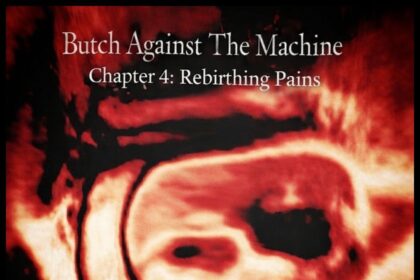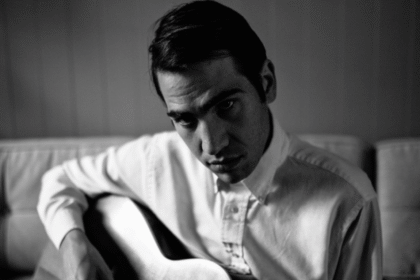


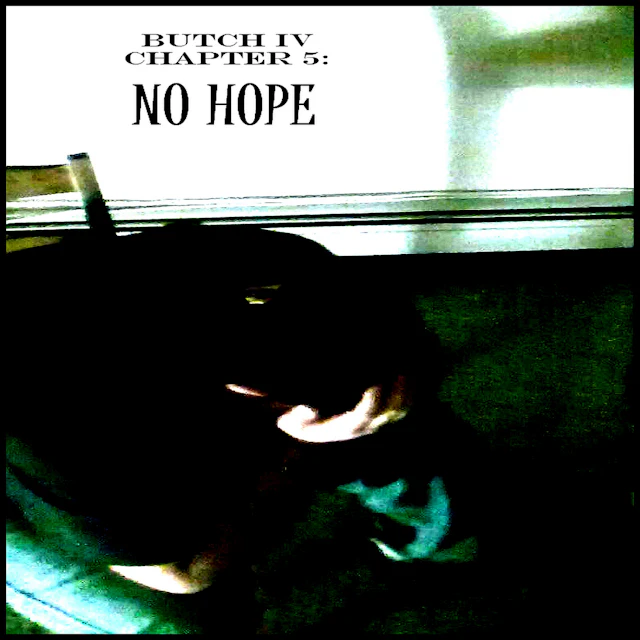
Chapter 5: No Hope is not an album you casually press play on, but an experience you enter. A descent. A confrontation. Released under the moniker Butch Against The Machine, this record feels less like a traditional musical project and more like an exposed psychological archive — a raw transmission from an artist who has long abandoned the idea of music as entertainment and embraced it as survival. Forged through a life shaped by displacement, failure, and reinvention across New York, New Orleans, and Baltimore, Butch’s sound carries the weight of multiple cities, scenes, and identities. This is not genre music, but existential music. The album does not ask to be liked, but demands to be witnessed. From the opening moments, Chapter 5: No Hope establishes itself as a document of isolation, created in solitude, driven by impulse, and defined by emotional extremity. It is an uncompromising record that treats pain not as a theme, but as a medium.
What makes this album uniquely powerful is its process. Butch’s workflow is rooted in raw improvisation — unedited, instinctive, immediate. There is no polish, no performative restraint, no attempt to make the music more digestible. The sound feels captured rather than constructed, as if each track is a direct imprint of a psychological state at a specific moment in time. This creates an unsettling intimacy: the listener doesn’t feel like an audience member, but like an intruder inside a private emotional ritual. The music functions as a coping mechanism, catharsis, and confession all at once. The result is a sonic landscape that feels volatile, fragmented, and deeply human, built not from genre conventions but from psychological necessity.
The album opens with “Hazy,” setting the tone with a sense of disorientation and emotional fog — a mental static that feels more like psychological weather than composition. “Burning Tree” follows like a slow combustion, carrying a sense of internal destruction rather than spectacle, while “Scourge of Suburbia” shifts into a bitter, corrosive critique of cultural emptiness and suburban decay, framing environment itself as a source of psychic damage. “MCMCXII” feels like a ritualistic interlude — abstract, symbolic, and fractured — before the record collapses into the nihilistic gravity of “S.O.L.”, a track that feels less like a song and more like a resignation statement. These early tracks function as emotional architecture, building the psychological world of the album: a space where despair is normalized, numbness is language, and isolation becomes identity.
The middle section of the album deepens the sense of emotional erosion. “Lazy” and “Harvesting” feel like oppositional states — one marked by exhaustion and dissociation, the other by extraction and internal violence. “Cradle” introduces a warped sense of vulnerability, as if safety itself has become distorted and untrustworthy. “Per Contr” fractures rhythm and structure, reinforcing the album’s refusal to conform to traditional songwriting logic, while “Don’t Know” feels like pure existential suspension — not confusion, but the acceptance of meaninglessness. These tracks don’t function as standalone singles, but operate as psychological chapters, each one revealing another layer of erosion, another stage of collapse, another shift in internal landscape. The sequencing feels deliberate, guiding the listener through stages of emotional disintegration rather than musical variety.
As the album moves into its final act, the intensity becomes more confrontational and corporeal. “Meat Glue” and “Claw” introduce visceral, almost grotesque imagery in sound form — textures that feel physical, abrasive, and invasive. “Regression” then pulls the record inward, not toward healing, but toward psychological retreat — a collapsing back into earlier states of fear, helplessness, and emotional survivalism. And finally, the title track “No Hope” arrives not as a climax, but as a conclusion of inevitability. The track feels like emotional acceptance of emptiness rather than resistance to it. There is no redemption arc here, no false resolution. The album ends in stillness, not salvation — a silence that feels heavy rather than peaceful.
Sonically, Chapter 5: No Hope exists in a liminal space between noise, industrial, experimental, and psychological sound art. Distortion is not aggression — it is atmosphere. Chaos is not performance — it is texture. Rhythm is often implied rather than structured, and melody feels secondary to emotional pressure. The production doesn’t guide the listener, but disorients them. This is music that resists categorisation because it resists intention beyond expression. The absence of polish becomes part of the language, and the roughness becomes authenticity. It feels intentionally unfinished, intentionally unstable, intentionally unresolved — mirroring the emotional states it expresses.
What makes Chapter 5: No Hope compelling is not its darkness alone, but its honesty. This is neither curated despair, stylised suffering, nor aestheticised trauma, but raw processing. The album feels like a private act made public, a personal ritual turned into an artefact. Butch Against The Machine is not trying to build a brand, a scene, or a movement — he is building a psychological outlet. The record doesn’t seek validation, but seeks release. That gives it a strange integrity and feels untouched by market logic, industry logic, or audience logic and exists because it has to.
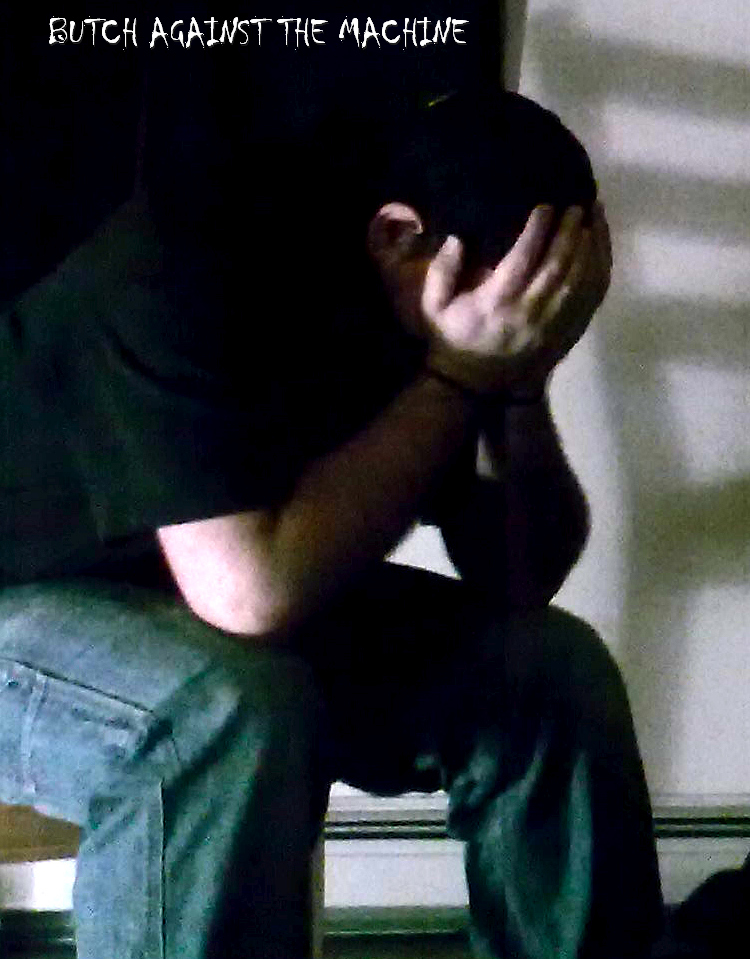
In a cultural landscape where pain is often packaged, aestheticised, and commodified, Chapter 5: No Hope stands apart as something far more unsettling and far more real. It does not make suffering beautiful, but makes it audible. It does not create escape — it creates confrontation. This is not an album for passive listening, but for emotional endurance. For those willing to sit with discomfort, chaos, and psychological weight, it offers something rare: truth without performance, vulnerability without polish, expression without compromise.
Ultimately, Chapter 5: No Hope is not meant to be consumed, but meant to be experienced. It is evidence of a life lived through fracture, failure, isolation, and survival. Butch Against The Machine doesn’t present himself as an artist in the traditional sense, but presents himself as a vessel for a disturbed, uncompromising vision, and this album is its purest manifestation. Brutal, raw, uncomfortable, and deeply human, Chapter 5: No Hope stands as a harrowing testament to what music becomes when it stops trying to please and starts trying to survive.
For more information, follow Butch Against The Machine (Butch IV):
WEBSITE – SPOTIFY – SOUNDCLOUD – BANDCAMP – YOUTUBE – INSTAGRAM