
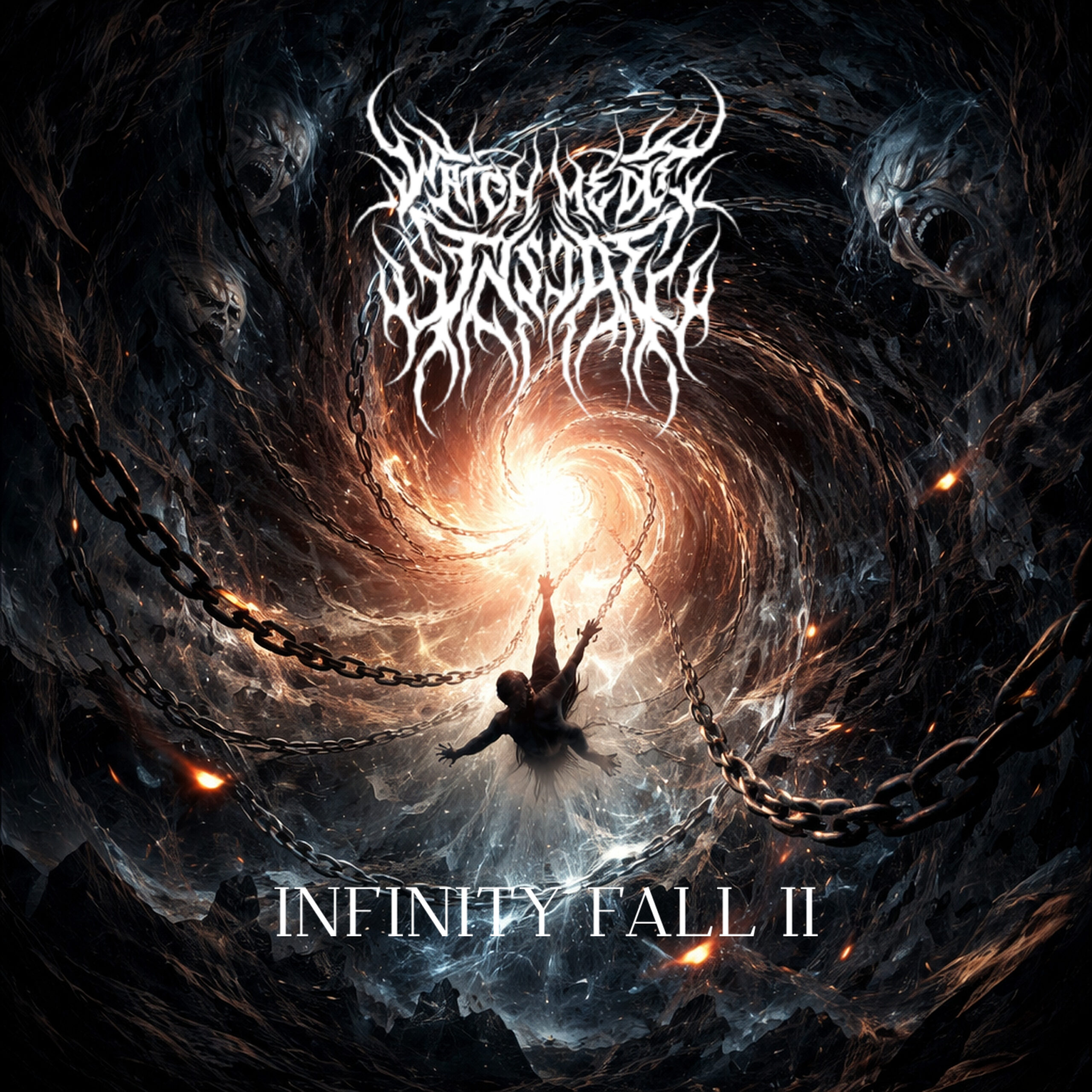
Within the conceptual universe crafted by Watch Me Die Inside, each release functions less like a traditional song and more like a fragment of a larger psychological narrative. “Melancholy Nektar” stands as one of the project’s most evocative pieces, a track that explores the strange intimacy between pain and comfort. Created under the artistic vision of Aleph, the composition belongs to a broader body of work known as Fragments, a series that dissects the fragile mental states of modern existence. Rather than offering catharsis or resolution, “Melancholy Nektar” invites listeners into a space where emotional deterioration becomes both subject and atmosphere. The result is a haunting sonic meditation that examines how sorrow can quietly transform into something strangely alluring.
From its earliest moments, the track establishes an atmosphere of restrained unease. The soundscape unfolds slowly, built upon minimalistic textures that feel deliberately fragile, as though the composition itself might dissolve at any moment. Instead of relying on dramatic climaxes or aggressive instrumentation, the piece favours subtle shifts in tone and pacing. This restraint is central to its emotional impact. The music seems to hover in a suspended state, echoing the psychological theme at the core of the project: the experience of existing in a liminal space between endurance and collapse. In “Melancholy Nektar,” silence and stillness function as active components of the arrangement, giving each sonic element room to breathe while reinforcing the track’s introspective gravity.
Conceptually, the piece explores what might be described as the ritualization of sadness. Rather than portraying suffering as something to overcome, the track focuses on the moment when pain begins to feel strangely familiar—almost comforting in its predictability. This idea forms the philosophical backbone of the fragment. The title itself suggests a paradox: melancholy transformed into nectar, sorrow distilled into something that can be consumed. Through this lens, the composition becomes a study of emotional intoxication. The listener is drawn into a psychological landscape where despair is no longer resisted but absorbed, where the boundaries between healing and surrender grow increasingly blurred. It is a difficult theme to capture musically, yet the track’s careful pacing and immersive textures succeed in evoking precisely that state of quiet surrender.
Another striking aspect of “Melancholy Nektar” is the way it reframes the listener’s role. In the world of Watch Me Die Inside, audiences are described not merely as listeners but as witnesses. This distinction is subtle yet significant. Rather than presenting music designed for easy emotional consumption, the project encourages observation and reflection. The track unfolds like a clinical examination of a wounded psyche—an “autopsy,” as the project’s conceptual language suggests. Yet despite this analytical framing, the music never feels cold or detached. Instead, it carries an unsettling intimacy, as though the listener has been invited to stand inside the very emotional landscape being dissected. This tension between detachment and immersion gives the track its uniquely unsettling character.
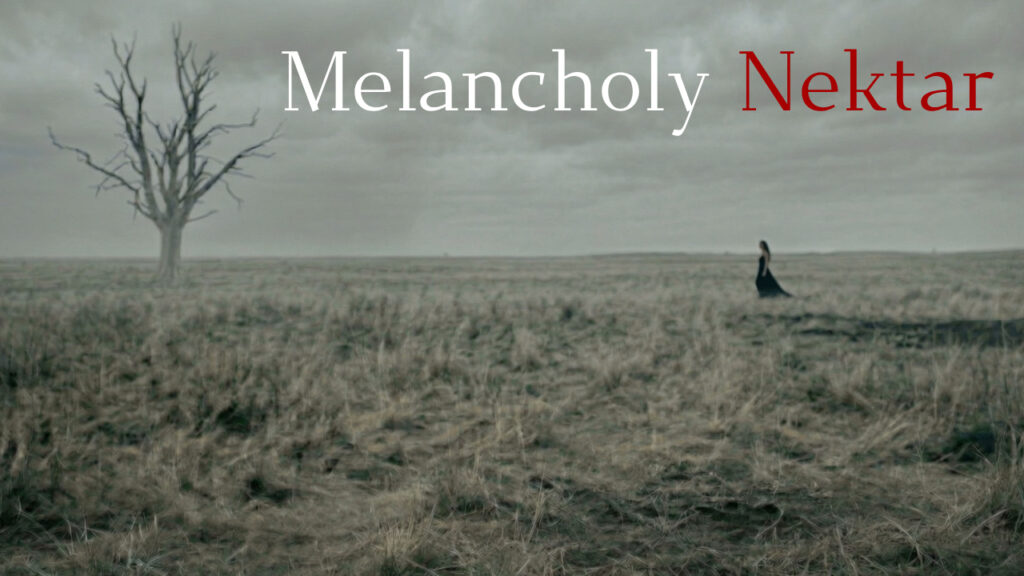
Ultimately, “Melancholy Nektar” stands as a compelling example of how experimental music can explore psychological themes with remarkable depth. By rejecting conventional songwriting structures in favour of atmosphere and conceptual storytelling, Watch Me Die Inside constructs a listening experience that feels closer to an emotional installation than a traditional single. It asks for patience, reflection, and a willingness to sit with uncomfortable emotions. Through this approach, Aleph transforms the idea of melancholy into something strangely luminous—an aesthetic space where vulnerability, decay, and beauty coexist. In doing so, “Melancholy Nektar” becomes a haunting reminder of how easily sorrow can shift from something we resist into something we quietly learn to inhabit.
For more information, follow Melancholy Nectar:
WEBSITE – SPOTIFY – YOUTUBE – INSTAGRAM – TIKTOK