
There is something immediately disarming about a title like It Sucks Getting Old. It does not dress itself up in poetic language or attempt to disguise the subject behind a metaphor. It says exactly what many people have probably thought at one point while looking at a new ache, struggling with some piece of technology, realizing that energy does not arrive quite as effortlessly as it once did, or watching another familiar face disappear from their lives. Yet in ERICKOSCAR’s hands, that blunt observation becomes something much richer than a collection of complaints about growing older. The project draws its emotional power from an artist who has spent more than three decades using music as a way to process life, and that accumulated experience is audible in the songwriting. Born in Panamá and having lived in the United States for decades, Erick Oscar has also spent much of his professional life traveling throughout Latin America, creating a musical identity shaped by movement between cultures rather than confinement to one tradition. His songwriting consequently carries traces of country, Americana, Latin music, pop, ballads, salsa, merengue, bachata, flamenco, vallenato, reggaeton, mariachi, and other influences. That breadth does not feel like an attempt to demonstrate versatility for its own sake. Instead, it reflects a life lived across different places and musical languages. At the center of it all remains the acoustic guitar, an instrument Erick has treated almost like a form of therapy, using it to work through whatever the day leaves behind. With more than 1,200 songs reportedly emerging from that lifelong creative practice, It Sucks Getting Old arrives with the perspective of someone who has accumulated plenty of stories and has no intention of pretending that every chapter of life is comfortable. What makes the project compelling is that its title may sound like a complaint, but the music underneath keeps finding reasons to be grateful.
The centerpiece is the title song itself, which immediately demonstrates how effectively Erick can transform an uncomfortable subject into an entertaining piece of storytelling. The arrangement establishes its personality from the beginning with melodic violin gliding above an energetic acoustic guitar rhythm, while bass and a crisp percussion click provide the track a buoyant pulse. There is a pleasing tension between the subject matter and the music: the lyrics are examining the frustrations of aging, yet the instrumental backdrop sounds alive, mobile, and genuinely delighted to be here. That contrast becomes one of the song’s defining characteristics. Erick does not treat growing older as a solemn tragedy, nor does he reduce it to a joke. Instead, he allows the aches, declining energy, changing priorities, technological confusion, and uncomfortable reminders of mortality to sit beside the pleasures and wisdom that come with having lived long enough to acquire them. The result is a piece of country/Americana storytelling with an unusually conversational personality. His voice, carrying a warm, soulful rasp, imparts the lyrics an authenticity that polished perfection could easily have diminished. He sounds like someone telling you what he has learned rather than someone delivering a carefully manufactured motivational speech. His theatrical timing and ad-libs add another layer of personality, creating the impression of an old friend leaning across the table to tell a story that begins with a laugh and unexpectedly lands somewhere much deeper. The swing in the arrangement provides the song additional charm, with guitar fills, bass movement, violin, and percussion creating an effortless rhythmic flow. Even when Erick is talking about the less glamorous realities of aging, the music stays light and open. There is movement, warmth, and a sense that life is still happening right now.
What makes the songwriting particularly effective is the way humor becomes a doorway into more serious reflection. A lesser song about aging might simply assemble a checklist of physical complaints and ask the listener to laugh along. Erick goes further by using those recognizable frustrations to examine what time actually teaches us. Yes, getting older can mean unexpected ailments, less energy, and a growing awareness that the body does not always cooperate with the plans of the mind. It can also mean discovering that priorities change, that certain ambitions lose their urgency, and that some things once considered essential become almost irrelevant. But alongside those observations comes an appreciation for experience itself. Wisdom is not presented as a glamorous prize handed over at a particular age; it is something earned through years of mistakes, relationships, losses, work, movement, faith, and ordinary days. That perspective prevents the project from becoming cynical. The title says, “It Sucks Getting Old,” but the songwriting keeps quietly adding an unspoken second sentence: “And yet, look at everything that came before.” That “and yet” is where much of the emotional substance resides. Erick recognizes the irony of becoming more knowledgeable about life while simultaneously becoming more aware of its limitations. As we grow older, we see more clearly what matters, but that clarity can come with the painful realization that some people and moments cannot be recovered. His reflections on friends and peers who have died introduce an especially poignant dimension, bringing survivor’s guilt and mortality into a project otherwise filled with humor. Suddenly, the aches and technological frustrations become smaller pieces of a much larger picture. Aging means losing things, certainly, but it also means having been given enough time to collect memories, relationships, lessons, and experiences worth losing something for.
Erick’s unusual cultural perspective strengthens the project’s emotional reach. His Panamanian origins, American life, and extensive experience across Latin America give his music an identity that does not fit neatly inside one national or stylistic box. That matters because It Sucks Getting Old deals with a subject that is deeply personal while also being almost universally recognizable. Aging happens differently across cultures and families, but the basic experience of watching time alter the body, relationships, ambitions, and sense of self is remarkably widespread. Erick’s bilingual songwriting and broad musical vocabulary allow him to approach that universality without stripping away his identity. His particular affection for country music is especially relevant because country and Americana have long provided space for songs about ordinary people, profound truths, humor, memory, family, mortality, and the passage of time. Erick understands that tradition but brings other musical experiences into it. The acoustic guitar remains central, but the surrounding palette can suggest Latin rhythms, folk warmth, pop accessibility, or the conversational ease of a singer-songwriter performance. That combination imparts the music a lived-in quality. It does not sound like someone choosing genres from a menu; it sounds like someone whose life has naturally accumulated different musical languages. In the context of a project about growing older, that eclecticism becomes almost symbolic. A life is rarely one genre. It contains different countries, relationships, jobs, disappointments, celebrations, beliefs, mistakes, and reinventions. Erick’s music reflects that accumulation. The songs are not trying to erase the contradictions. They allow them to coexist, much as a person carries every previous version of themselves into the present.
There is also an appealing spiritual dimension to Erick’s creative identity that provides the project a deeper foundation. For more than 35 years, he has devoted himself to playing acoustic guitar during church services, treating music not merely as entertainment but as an expression of faith, soulfulness, and personal connection. That background helps explain why even the humorous material can carry a sense of gratitude underneath it. There is a difference between laughing at the absurdities of aging because nothing matters and laughing at them because life is still precious despite its absurdities. Erick belongs firmly in the latter camp. His music repeatedly returns to the idea that experience should not simply be endured but understood, appreciated, and transformed into something meaningful. That philosophy is particularly effective in a song whose title initially sounds so negative. It Sucks Getting Old does not deny the difficult parts of aging; it allows them room to be difficult. But it also refuses to surrender the joy that remains available. That balance is crucial. The project understands that positivity becomes more convincing when it does not require pretending that pain is absent. Gratitude has greater weight when it exists alongside loss. Humor becomes more meaningful when the person laughing understands exactly what is at stake. Erick’s vocal performance reinforces this balance. There is warmth in the rasp, but also some wear around the edges, and those imperfections make the performance feel earned. His conversational ad-libs further blur the boundary between song and personal story. At times, it feels less like listening to a polished studio performance and more like being invited into a conversation with someone who has accumulated enough years to know that the funniest stories often contain the saddest truths.
The musical construction deserves equal attention because the songwriting would not have the same impact without the care given to the arrangements. Erick works closely with music production software to build instrumentation, arrangements, and vocal performances around his lyrics, describing himself as an amateur producer who enjoys experimenting with new possibilities. That approach is particularly effective because it combines old-fashioned songwriting values with contemporary production methods. The emotional core begins with words and guitar, but technology allows him to expand those ideas into fuller musical environments. On the title track, the violin, bass, acoustic guitar, percussion, and vocal create a sound that is simultaneously organic and carefully constructed. The arrangement is lively enough to keep the song moving but spacious enough for the lyrics to remain central. There is no sense that the instrumentation is trying to distract from the story. Instead, every element supports the conversational character. The violin provides melodic elegance, the acoustic guitar supplies the rhythmic heartbeat, and the bass and percussion keep everything grounded. The swing influence adds another touch of personality, giving the song a relaxed movement that makes its subject matter feel approachable. This aspect is important because a record about aging could easily become musically predictable if the production leaned too heavily into melancholy. Erick avoids that trap by making the music itself feel like an argument for continued engagement with life. There is still rhythm. There are still melodies worth following. There are still new sounds to try. Even the production process reflects that attitude: getting older does not mean creativity has to become static. If anything, experience can give an artist more material to work with.

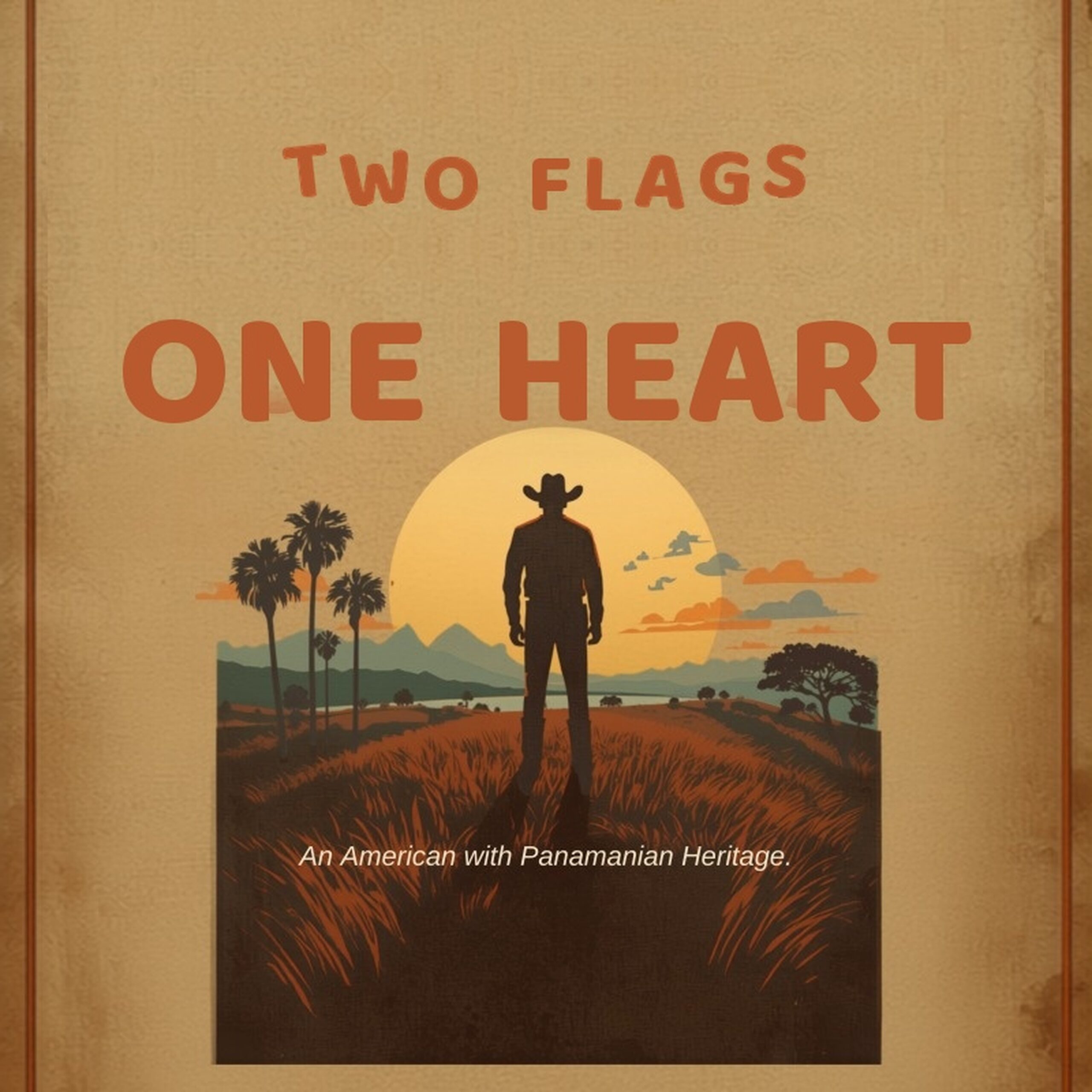
Perhaps the most moving aspect of It Sucks Getting Old is its understanding that perspective is one of the few gifts time can provide in exchange for everything it takes away. The project does not pretend that aging is painless. Instead, it asks what happens when we stop measuring life exclusively by what is disappearing and begin paying closer attention to what remains. Friends may be gone, bodies may change, technology may become increasingly bewildering, and energy may fluctuate, but there are still ordinary moments to enjoy, people to appreciate, stories to tell, music to make, and reasons to laugh. That perspective turns the title into something almost affectionate. “It sucks” becomes a starting point rather than a final conclusion. Yes, there are frustrations. Yes, there are losses. But there is also the extraordinary privilege of having accumulated enough experience to understand why certain things matter. Erick’s songwriting is strongest when it holds those opposing truths together. Laughter and sadness coexist. They make each other more believable. This section is also where the project connects naturally with the wider identity suggested by Two Flags, One Heart, the country and Americana setting from which the title song emerges. That larger body of work explores Erick’s Panamanian and American identity, but “It Sucks Getting Old” reaches beyond cultural specificity to address something almost everyone eventually confronts. It becomes an entry point precisely because its subject is so ordinary. The song reminds us that some of the most meaningful songwriting does not require an epic storyline. Occasionally it only takes the courage to admit something is difficult, find the joke hiding inside it, and remember to be grateful you are still here to tell the story.
In the end, It Sucks Getting Old is most convincing when it refuses to choose between comedy and contemplation. ERICKOSCAR has spent decades developing a songwriting practice rooted in acoustic guitar, personal observation, faith, cultural experience, and the simple belief that a song should have something to say. That philosophy comes through clearly here. The project turns aging into an opportunity to examine the ridiculous, the painful, the beautiful, and the surprisingly poignant aspects of being alive for long enough to see the world change around you. Its musical personality is equally generous, drawing on country, Americana, folk, Latin influences, swing, and singer-songwriter traditions without becoming trapped by any single category. At the center remains an artist who has accumulated an extraordinary archive of songs and experiences and who continues to approach music as a living form of therapy and discovery. “It Sucks Getting Old” may begin with a title that sounds like resignation, but the music ultimately arrives somewhere much more life-affirming. It says that aging can hurt, confuse, embarrass, exhaust, and frighten us, but it can also deepen our appreciation for friendship, love, memory, faith, humor, and the ordinary pleasures that become more precious when we understand their fragility. Erick does not sugarcoat the years, and that honesty is precisely why the warmth feels genuine. There is no demand to pretend that everything is wonderful. Instead, we are invited to laugh at what we can, grieve what we must, appreciate what remains, and keep making something meaningful with the time we have. For an artist who has spent over three decades turning life into song, that may be the most fitting message of all: getting older can be hard, but the story is still being written.
For more information, follow ERICKOSCAR
WEBSITE – FACEBOOK – SPOTIFY – INSTAGRAM