
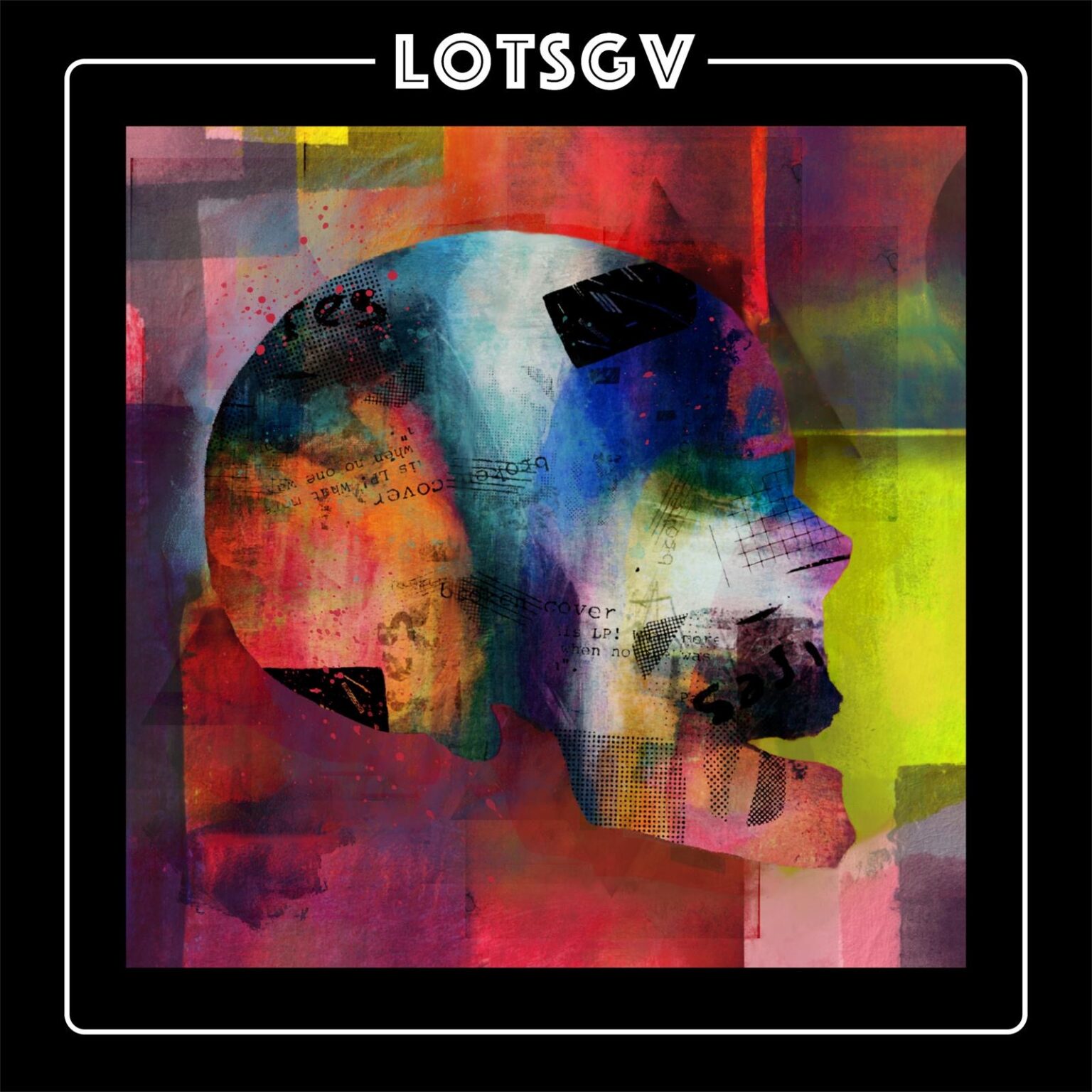
There is something wonderfully intriguing about a band willing to embrace unpredictability while simultaneously searching for a more defined musical identity. Legends of the Seven Golden Vampires have spent much of their creative journey exploring the exhilarating collision of psychedelic rock, funk, trip-hop, and electronic experimentation, but The Pumphouse of Broken Dreams represents a fascinating evolution in that approach. Following the wonderfully eclectic Psychedelic Soul & Trash Vol. 3, the new full-length finds the Hertfordshire outfit refining its musical vocabulary, embracing greater melodic clarity, and allowing emotional storytelling to take center stage. Dutch vocalist Ilse Van Der Linden becomes a particularly important presence throughout this transformation, providing a melodic anchor that makes the band’s imaginative arrangements feel more connected than ever. Across nine tracks, LOTSGV explores healing, longing, devotion, heartbreak, freedom, and the mysterious territory between dreams and reality, creating an album that feels simultaneously introspective and expansive. What makes this development particularly exciting is that the band has not abandoned its adventurous instincts. Instead, it has learned to channel them into songs that breathe, resonate, and linger. The Pumphouse of Broken Dreams is an ambitious statement of artistic growth, demonstrating that psychedelic experimentation and accessible songwriting can coexist beautifully when guided by a clearer creative vision.
Opening with “To Think To Heal,” the album immediately establishes an atmosphere of emotional introspection, drawing listeners into a world where reflection becomes the first step toward recovery. The title alone suggests an intimate relationship between understanding one’s experiences and finding the strength to move forward, and the musical direction reinforces that contemplative spirit. Psychedelic guitar textures swirl around steady rhythmic foundations, while electronic touches introduce a subtle sense of movement beneath the song’s reflective character. Ilse Van Der Linden’s melodic presence adds warmth to the arrangement, helping the emotional material feel inviting rather than overwhelming. There is a delicate balance between vulnerability and resilience here, as though the music is gradually gathering strength while confronting the uncertainties that accompany personal healing. “Flying” follows with a welcome shift toward liberation and imaginative escape. Its title evokes the exhilarating sensation of rising beyond everyday limitations, and the album’s dream-pop sensibilities provide an ideal musical setting for that idea. The transition between these opening tracks establishes an important emotional pattern: LOTSGV is interested not merely in examining difficult experiences but also in discovering the possibilities that emerge when we begin moving beyond them. Together, these songs introduce a record that finds beauty in emotional movement rather than remaining trapped in a single mood.
With “Come Home,” the album moves into more intimate territory, exploring belonging, longing, and the desire to reconnect with something that once provided comfort. It is one of the songs that particularly benefits from Ilse’s contribution, as her smooth, expressive vocal presence gives the material a natural emotional center. The atmosphere feels almost cinematic, with layered instrumentation creating a sense of distance and nostalgia that perfectly complements the song’s underlying sentiment. Rather than treating home as merely a physical destination, the composition invites a broader interpretation: home can be a person, a memory, a familiar feeling, or even a version of ourselves we have lost along the way. “Here I Am” continues that emotional exploration from a different perspective, shifting toward identity, openness, and the courage to stand before the world without disguises. Its melodic character reinforces a sense of self-affirmation, while the arrangement allows the vocals to remain prominent without sacrificing the band’s psychedelic personality. There is something particularly appealing about the relationship between these two tracks. One reaches outward in search of belonging, while the other declares an unmistakable willingness to be seen. Together, they create a compelling emotional conversation about connection, vulnerability, and the importance of accepting ourselves.
Few titles carry as much immediate emotional recognition as “Hopelessly Devoted To You,” and LOTSGV brings that familiar territory into its imaginative psychedelic universe with an opportunity for warmth, romantic vulnerability, and melodic accessibility. Devotion can be beautiful, but it can also expose the fragile parts of human relationships, making the song’s central theme particularly suited to the album’s broader exploration of emotional complexity. The band’s atmospheric approach helps prevent the sentiment from becoming overly sentimental, allowing its layered textures and melodic direction to create a more nuanced listening experience. The emotional temperature shifts considerably with “Lost & Burnt,” one of the album’s more intriguing compositions. Its title immediately evokes exhaustion, disappointment, and the painful aftermath of experiences that endure. Here, the psychedelic elements become particularly effective, creating an immersive atmosphere in which swirling guitars, electronic details, and rhythmic foundations seem to reflect the emotional disorientation suggested by the song. The production allows these elements to occupy their spaces, with basslines moving confidently beneath the vocals rather than competing for attention. The arrangement feels carefully considered, demonstrating how the band has developed greater control over its sonic complexity. Together, these tracks reveal an album unafraid to move between tenderness and emotional devastation, allowing contrasting experiences to coexist naturally within its larger narrative.
“In My Dreams” offers another opportunity for LOTSGV to embrace the more immersive qualities of its dream-pop identity. Dreams, memories, and the mysterious relationship between imagination and reality have always provided fertile ground for psychedelic music, and this composition appears particularly well suited to that territory. The atmosphere invites listeners into an introspective space where familiar people, forgotten places, and unresolved emotions can return in unexpected forms. Melodic vocals provide a reassuring center, while the surrounding instrumentation creates a sense of movement that feels almost suspended between waking consciousness and the subconscious. It is an intriguing continuation of the album’s emotional journey, reinforcing the idea that memory and imagination can become powerful instruments of personal reflection. “AIR” follows with a beautifully suggestive title that evokes breathing space, renewal, freedom, and the invisible forces that sustain us. Its minimal naming leaves considerable room for interpretation, and that openness feels entirely appropriate within a record so interested in emotional discovery. The band’s electronic influences provide an opportunity for expansive sonic textures, while the melodic direction maintains continuity with the surrounding material. Rather than simply functioning as another track in the sequence, “AIR” suggests a moment of release, a chance to step back from the album’s heavier emotional themes and rediscover the restorative possibilities of music itself.
Closing the record, “BLEND” feels particularly significant because its title captures so much of what makes Legends of the Seven Golden Vampires distinctive. The meeting of different musical worlds has always been central to the band’s identity, but here that philosophy extends beyond genre into a broader understanding of emotional and artistic connection. Psychedelic rock, funk, trip-hop, electronic experimentation, and melodic pop sensibilities come together within a more cohesive framework, reflecting a group increasingly confident in how its influences can complement rather than compete with one another. Ilse Van Der Linden’s vocal presence remains an important part of that achievement, providing continuity across the album’s varied emotional landscapes. The production also deserves considerable appreciation for the breathing room it provides for the instrumentation. Basslines move around the vocals with confidence, guitars create atmospheric layers without overwhelming the arrangements, and electronic elements contribute texture rather than unnecessary complexity. That sense of balance allows the album’s melodies to emerge naturally, giving the songs a more immediate emotional impact while preserving the band’s imaginative personality. “BLEND” consequently feels like an appropriate final statement, bringing the album’s musical and emotional threads together without drawing the conclusion feel artificially neat.
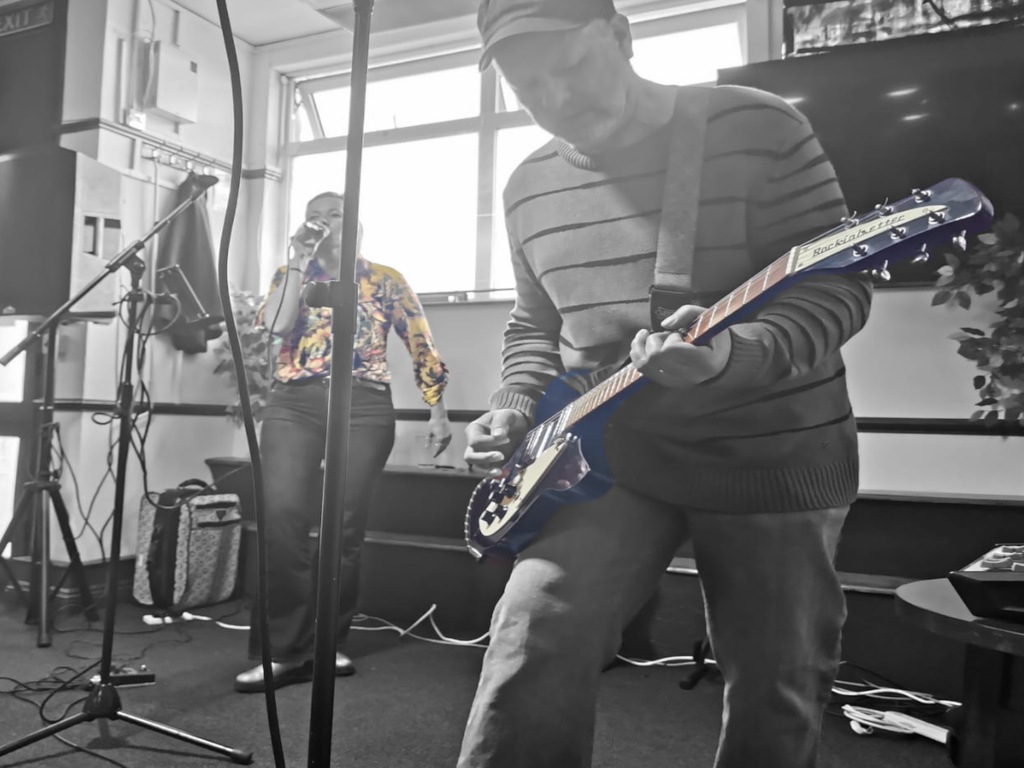
One of the most compelling aspects of The Pumphouse of Broken Dreams is the way its musical identity reflects genuine artistic development. The influence of Radiohead, Portishead, Orbital, and Cyndi Lauper suggests a band interested in balancing atmospheric experimentation with memorable songwriting, but LOTSGV does not simply assemble familiar reference points into a stylistic collage. Instead, those influences become ingredients within a sound that increasingly feels like its own. The psychedelic foundations remain unmistakable, yet the stronger melodic focus gives the album a more recognizable center of gravity. Ilse Van Der Linden’s contribution is particularly important in this respect, bringing an expressive consistency that allows the arrangements to explore different moods without losing their emotional connection. There is also a refreshing sense of patience in the songwriting. Rather than constantly introducing new ideas for the sake of unpredictability, the band appears more interested in allowing individual compositions to develop naturally, giving atmosphere, rhythm, and melody room to interact. The result is a listening experience that rewards attention without demanding that listeners approach it as an intellectual exercise. Its experimentation remains adventurous, but its emotional accessibility has grown considerably.
Ultimately, Legends of the Seven Golden Vampires have delivered an album that feels like a genuine turning point in their creative evolution. The Pumphouse of Broken Dreams retains the eccentricity and stylistic curiosity that distinguished their earlier work while demonstrating a more focused understanding of how those qualities can serve meaningful songwriting. Across nine compositions, the band explores the complicated emotional territory of healing, love, longing, identity, and renewal, creating a record that feels both deeply personal and imaginatively expansive. The melodic presence of Ilse Van Der Linden provides an important foundation, while the production allows the band’s varied instrumental influences to coexist with remarkable confidence. Following the radio support they have received from BBC 6 Music, Radio X, and Absolute Radio, alongside their growing digital audience and planned UK acoustic tour, this album represents an exciting opportunity to establish an even stronger artistic identity. It is not simply a collection of psychedelic experiments or accessible pop compositions; it is a thoughtful synthesis of both, demonstrating that the band’s adventurous instincts can become even more compelling when guided by emotional clarity. With The Pumphouse of Broken Dreams, LOTSGV have found a compelling balance between imagination and intimacy, delivering a vibrant, atmospheric, and genuinely rewarding chapter in their musical journey. Their dreams may be broken, but the music emerging from their fragments feels wonderfully alive.
For more information, follow Legends of the Seven Golden Vampires
WEBSITE – SPOTIFY – SOUNDCLOUD – INSTAGRAM