


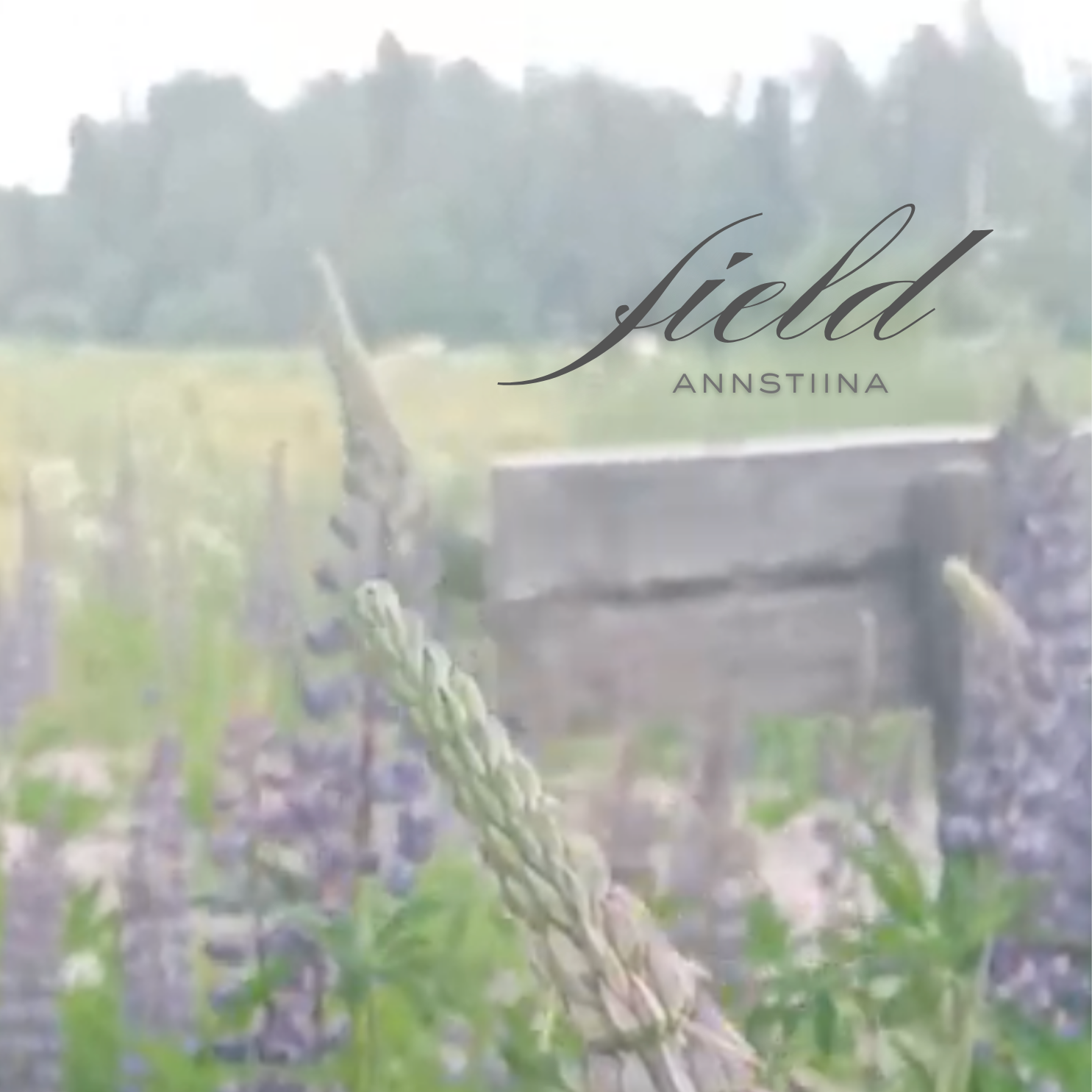
Annstiina’s field is a quiet, resolute act of remembrance, a cinematic meditation rendered through the bare honesty of piano and silence. Known primarily for her experimental art pop and melodic instincts as an international topliner, the Finnish artist and producer steps decisively away from polish and structure here, choosing instead the vulnerability of improvisation. Recorded entirely on Finnish Music Day, field feels inseparable from its moment of birth—music captured rather than constructed. From the first notes, there is a sense that this work was not planned so much as summoned, shaped by memory, history, and emotional necessity rather than genre or expectation.
What makes field immediately striking is its restraint. Annstiina resists the urge to decorate or dramatise, allowing the piano to exist in a near-naked state. Each note arrives with intention, but also with uncertainty, as if the music itself is searching for footing. This sense of fragility mirrors the EP’s thematic core: survival in the aftermath of upheaval. Inspired by the generations who rebuilt Finland after the war, the EP does not attempt to recount history in a literal sense. Instead, it channels the emotional residue of those years—the waiting, the longing, the quiet labour of continuing. In this way, field feels less like a narrative and more like a shared emotional memory passed down through sound.
The opening track, “feather,” sets the tone with a lightness that feels almost deceptive. Its delicate phrasing suggests the earliest moments of love and hope, when the future feels open and unburdened. The touch is gentle, the pacing unhurried, and there is a sense of breath between notes that invites the listener to lean in. This softness continues into “soft and grey,” a piece that introduces a muted melancholy, as if clouds have begun to gather. Here, Annstiina’s playing becomes more contemplative, the harmonies slightly heavier, evoking the quiet anxiety that creeps in when joy begins to feel fragile. It’s not sorrow yet—more a subdued awareness that innocence cannot last forever.
With “concrete,” the EP shifts subtly but decisively. The music takes on weight and gravity, reflecting the hardening of daily life when survival becomes routine rather than choice. The piano lines feel more grounded, repetitive in a way that suggests labour, endurance, and emotional suppression. There is a stoic quality here, reminiscent of the resilience required to rebuild not just structures, but inner worlds. Annstiina’s improvisational approach shines in this track, as the slight imperfections and hesitations give the piece a deeply human texture. It feels lived-in, as though these notes have carried burdens before.
The title track, “field,” acts as the emotional centre of the EP. It conjures images of open land and endless horizons, but also of work, waiting, and cyclical time. The music breathes with the rhythm of nature—seasons changing, days repeating, hope persisting quietly. This track feels expansive without being grand, capturing the paradox of a life that is limited by circumstance and infinite in emotional depth. There is a sense of longing here, not directed toward a specific person or outcome, but toward normalcy, togetherness, and peace. It’s a piece that invites reflection, encouraging listeners to project their own histories into its open spaces.
“dancing until you arrive” introduces a subtle warmth, a gentle lift in mood that feels like anticipation rather than celebration. The phrasing becomes more fluid, almost playful at moments, suggesting the endurance of love even in separation. This track embodies waiting with hope—movement without resolution, joy deferred but not diminished. The piano seems to sway, hinting at imagined reunions and the resilience of connection across distance. It’s one of the EP’s most emotionally nuanced moments, capturing the tension between longing and faith with remarkable sensitivity.

The closing track, “whatever it takes,” feels like an ending and a beginning. There is a quiet determination in its progression, a sense of resolve that emerges not from triumph, but from acceptance. The music reflects a world that has changed irreversibly, yet continues forward nonetheless. This piece embodies the return—the moment when war ends and life resumes, altered but intact. Annstiina’s playing here is steady and grounded, suggesting strength forged through loss rather than despite it. It’s a fitting conclusion, leaving the listener not with closure, but with continuity.
Ultimately, field stands as a profound artistic departure for Annstiina, revealing the depth beneath her more expansive pop work. By stripping her sound down to its emotional core, she allows history, memory, and imagination to speak with rare clarity. This EP does not demand attention, but earns it through sincerity and restraint. As a contemplative prelude to her future releases, field reminds us that sometimes the most powerful stories are told not through spectacle, but through quiet persistence—through notes that linger, silences that speak, and the enduring human will to survive, love, and rebuild.
For more information, follow Annstiina:
WEBSITE – FACEBOOK – SOUNDCLOUD – SPOTIFY – YOUTUBE – BANDCAMP