


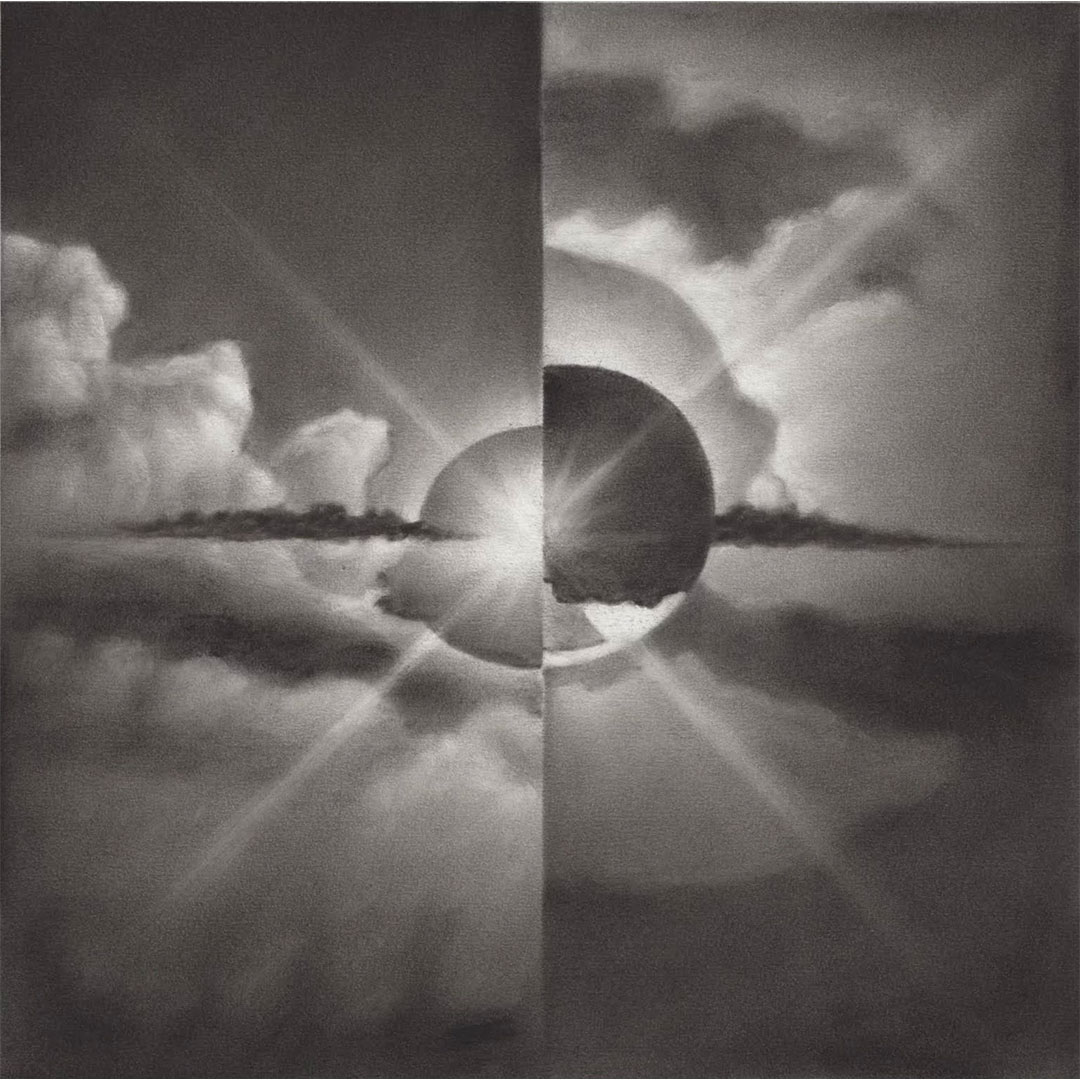
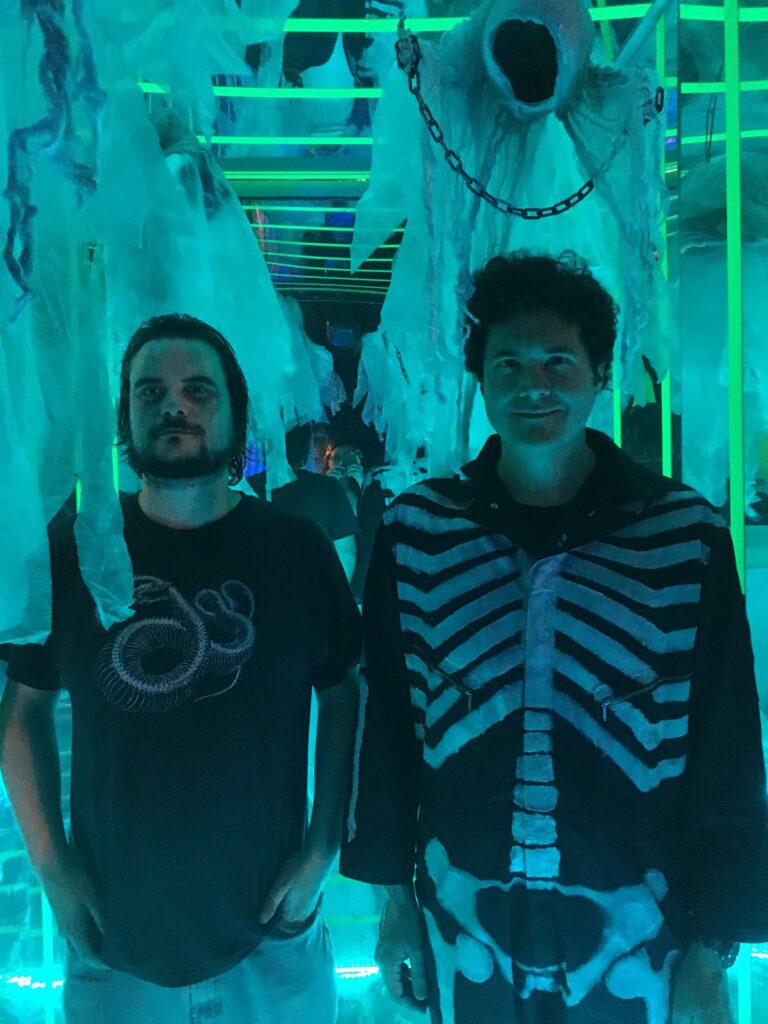
Separation Team by SIREN SECTION is an immersive psychological environment, a slow-burning emotional system, and a meticulously constructed sonic architecture designed to be lived inside. Created by Los Angeles–based duo James Cumberland and John Dowling, the record represents the culmination of more than four years of work and their first full-length release in over eight years. That gap in time is not felt as absence but as concentration — as if the music has been compressing, distilling, and evolving in silence. What emerges is a deeply intentional, emotionally dense concept album that refuses the clichés of post-punk while honouring its spirit. Rather than relying on genre tropes, Separation Team builds a hybrid language of shoegaze haze, glitch electronics, post-punk tension, ambient density, and cinematic atmosphere, creating a sound world that feels fractured and unified. It is music for late nights, long drives, closed eyes, and internal landscapes — not consumption, but immersion.
The emotional logic of the album is as important as its sonic construction. Siren Section’s work exists in a strange but powerful duality: it is withdrawn and confessional at the same time, restrained and overwhelming, cold in texture yet deeply human in feeling. Distortion is not used as aggression but as an environment, forming fog-like layers that wrap around melody and rhythm rather than overpower them. The album explores themes of vulnerability, systems collapsing, emotional repair, psychological fragmentation, technological anxiety, and existential dislocation, but never in a literal or preachy way. Instead, meaning is embedded in texture, repetition, pacing, and atmosphere. The record doesn’t resolve, but unfolds, breathes, destabilises, rebuilds, and feels less like a sequence of songs and more like a single evolving organism.
The opening stretch of the album establishes this immediately. “Construct” functions as a cinematic threshold — a slow ignition of tone, tension, and scale. Ethereal layers, restrained rhythms, and spatial production create a sense of entering a system rather than starting a record. “Bullet Train” follows with kinetic energy, blending hypnotic synth patterns with pulsing rhythmic structures that feel both retro-futuristic and emotionally urgent. “Solidarity” introduces a dream-pop softness, with shimmering textures and gentle propulsion that feels like emotional suspension rather than movement. “Medicine” expands into shoegaze territory, where weight and beauty coexist — dense guitars, immersive distortion, and melodic restraint forming a heavy but tender emotional mass. These early tracks establish the album’s core identity: balance between pressure and release, chaos and calm, structure and collapse.
As the album progresses, the sonic language becomes more adventurous and expansive. “Flinch” dives into glitch-driven electronic energy, driven by hypnotic synth sequences and rhythmic momentum that feels almost ritualistic. “They Will Never Find Us” acts as an ambient interlude, cinematic and suspended, functioning as a psychological bridge rather than a traditional track. “Marker” and “Dangerous to Know” bring back dream-pop sensibilities but with deeper layering and emotional density — shimmering melodies floating over complex rhythmic foundations and textured basslines. “Dangerous to Know” in particular stands out for its hypnotic vocal harmonies and layered chorus, creating a trance-like emotional pull that feels both comforting and unsettling. These tracks demonstrate Siren Section’s mastery of emotional pacing — knowing when to intensify, when to soften, and when to dissolve.
The album’s midsection expands into bold stylistic terrain without breaking cohesion. “Tritagonist 1” and “Tritagonist 2” function as twin psychological movements — evolving compositions that transition from calm, minimal beginnings into dense, distorted climaxes. The band’s signature technique of gradual transformation is on full display here: songs that grow rather than explode, building tension through layering rather than volume. “Minotaur” introduces drum-and-bass and jungle-influenced rhythmic structures, blending glitch electronics with bass-driven propulsion in a way that feels futuristic and primal. “Deer Hunter” strips everything back into a cinematic ballad space, built around voice, piano, and orchestral textures — proving the duo’s emotional power doesn’t depend on distortion or rhythm at all.
Tracks like “Glass Cannon” and “Timeghost” represent the album’s ability to merge softness and force simultaneously. “Glass Cannon” wraps shoegaze distortion in melodic vulnerability, creating a fragile beauty that feels both heavy and delicate. “Timeghost” blends post-punk guitars with electronic movement, forming a spectral, forward-moving sound that feels like memory in motion. “Equilibrium” introduces industrial, darkwave, and synthwave elements, expanding the album’s tonal spectrum while maintaining its emotional continuity. The production remains cohesive throughout — never chaotic, never cluttered — each element serving the larger psychological architecture of the record.
The album’s closing sequence feels like an emotional descent and integration. “Ritual” returns to shoegaze-dream pop textures, dense but soothing, while “Some of This Means Everything” offers a piano-centred emotional core, layered with subtle electronic rhythms that create intimacy rather than spectacle. The final tracks, “Carry Through” and “Five Fifty Five,” function as spiritual closure rather than dramatic endings — quiet, reflective, and grounding. They don’t resolve the album’s tension, but accept it. They don’t provide answers; they offer stillness. The effect is profoundly human.
What makes Separation Team exceptional is its philosophical coherence. This is a record that understands mood as narrative, texture as meaning, and structure as emotion. It refuses instant gratification in favour of deep listening. It rewards patience. It asks for presence. In a music landscape driven by singles, algorithms, and immediacy, Siren Section has created a slow album — one that unfolds over time, reveals itself in layers, and grows with repeated engagement. It is not designed to be consumed, but designed to be inhabited.
Ultimately, Separation Team stands as a defining work of modern experimental post-punk and electronic rock — a record that proves genre fusion doesn’t require chaos, and experimentation doesn’t require excess. Siren Section has created something rare: a cohesive, emotionally resonant, conceptually unified album that feels intimate and expansive, personal and universal. It is a meditation on fragmentation, connection, collapse, and continuity — a record that understands that beauty can exist inside disorientation, and clarity can exist inside noise. In every sense, Separation Team is an experience, a psychological landscape, and a testament to what happens when patience, vision, and emotional intelligence guide artistic creation.
For more information, follow Siren Section:
WEBSITE – SOUNDCLOUD – SPOTIFY – FACEBOOK – YOUTUBE – BANDCAMP