


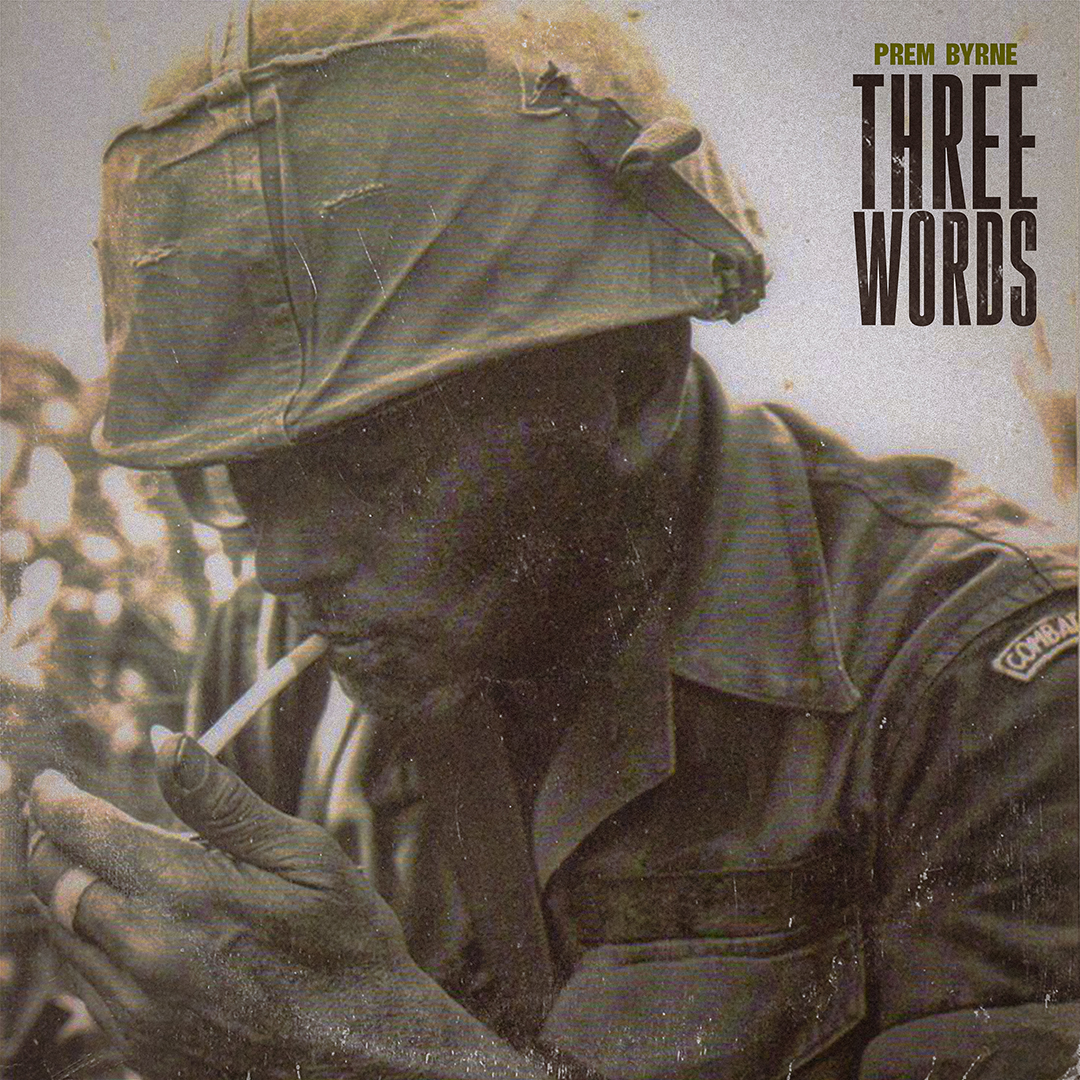
The film accompanying “Three Words” by Prem Byrne offers a reflective and emotionally resonant extension of the song’s deeply personal narrative. Byrne, an independent artist from Woodacre, California, has steadily carved out a space for himself by blending folk storytelling with pop sensibility, creating songs that prioritise sincerity over spectacle. With more than a dozen singles already released, his body of work often explores the emotional complexities of human relationships. “Three Words,” released on March 27, 2026, continues that tradition with particular poignancy, focusing on Byrne’s troubled relationship with his late father. The accompanying film expands its emotional landscape, translating private memory into a visual meditation on forgiveness, regret, and reconciliation.
At its core, the song is built around Byrne’s characteristic songwriting style: intimate vocals supported by a gentle acoustic foundation. In the film, this musical framework becomes the emotional backbone of the visual narrative. Byrne’s voice carries a tone that feels fragile and determined, suggesting a songwriter confronting difficult memories while searching for peace. The film mirrors this emotional tension through understated imagery that favours atmosphere over narrative complexity. Rather than telling a literal story, the visuals move through symbolic moments—quiet environments, contemplative expressions, and subtle shifts in light—that echo the track’s reflective mood. This restrained approach allows the viewer to focus on the song’s emotional undercurrent without distraction.
Musically, “Three Words” occupies an intriguing space between Americana and modern singer-songwriter rock. Byrne performs guitar and vocals himself, giving the track an organic foundation that feels grounded and authentic. Yet the production subtly incorporates electronic textures, adding depth without overshadowing the acoustic core. The film reinforces this balance by pairing rustic imagery with contemporary cinematic techniques, reflecting the dual nature of the music itself. In many ways, Byrne’s stylistic sensibility draws from artists who have long merged introspective songwriting with accessible melodies. Influences from figures such as Sting, Tracy Chapman, Cat Stevens, Coldplay, and Peter Gabriel can be sensed in the emotional clarity of his delivery and the careful layering of sound.
The film’s visual pacing is particularly effective in reinforcing the song’s thematic depth. Instead of rushing toward dramatic moments, the imagery unfolds slowly, echoing the reflective tempo of the music. This deliberate pacing mirrors the process of confronting unresolved feelings—an emotional journey that rarely happens quickly or neatly. Scenes linger long enough to invite contemplation, allowing the viewer to absorb the subtle details that carry symbolic weight. Through this quiet rhythm, the film evokes a sense of personal reckoning, as if each frame represents a memory revisited or a thought finally given space to breathe. The simplicity of the visuals ultimately becomes one of the film’s greatest strengths, as it allows the music’s emotional message to remain at the forefront.
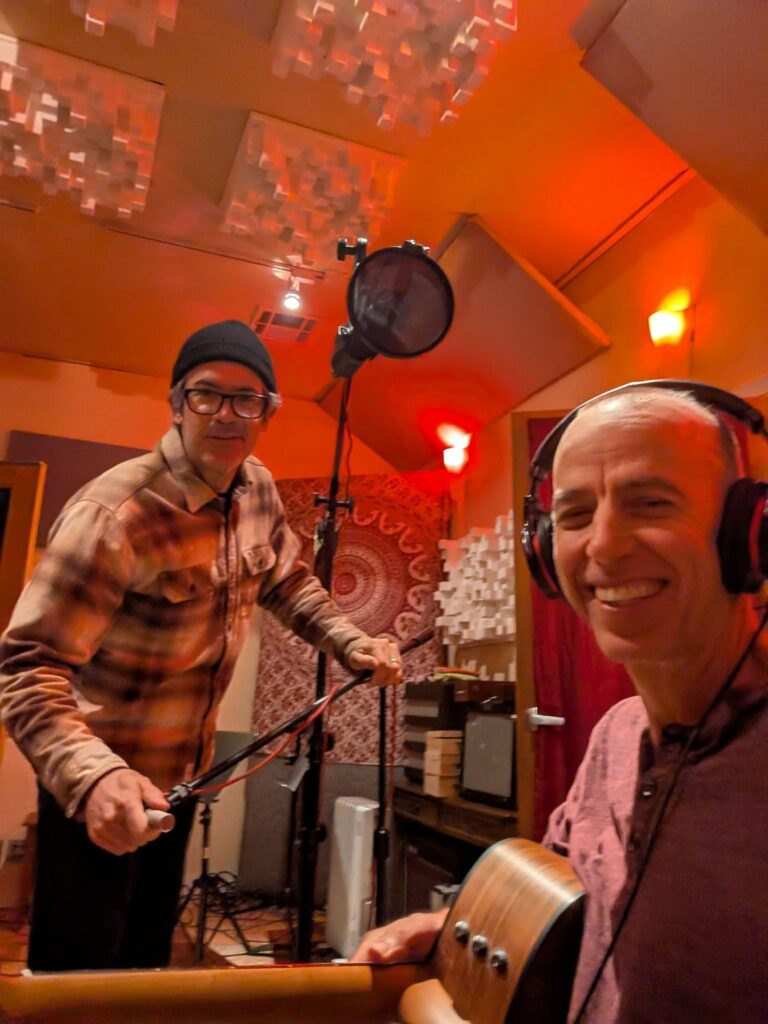
Ultimately, the film for “Three Words” succeeds because it preserves the vulnerability that lies at the heart of Byrne’s songwriting. Rather than dramatising the pain of a fractured father-son relationship, the project focuses on the possibility of understanding that can emerge long after the conflict has passed. Byrne’s lyrics suggest that forgiveness is rarely as simple as it requires patience, reflection, and a willingness to confront uncomfortable truths. The film amplifies this message by creating a contemplative visual environment that encourages viewers to reflect on their own family histories and emotional journeys. In doing so, “Three Words” becomes a quiet reminder that reconciliation, even when imperfect, can still offer a path toward healing.
For more information, follow Prem Byrne:
SPOTIFY – INSTAGRAM – FACEBOOK