


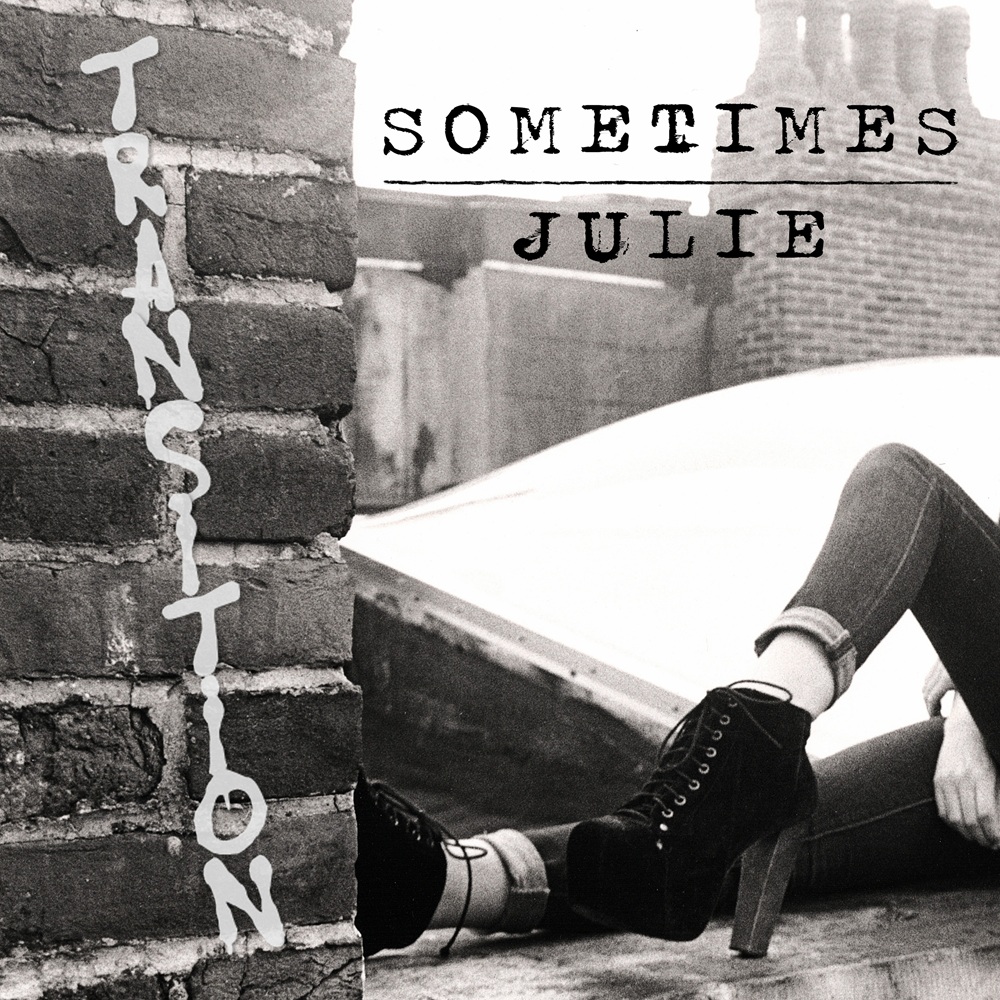
Sometimes an EP arrives as an honest pause between who an artist was and who they are becoming. Transition, the six-song release from San Diego–based duo Sometimes Julie, feels exactly like that kind of moment. Dropping on December 30, 2025, the EP marks a striking evolution for Monica Sorenson and Rick Walker, who step away from the fuller classic and alternative rock frameworks of their previous albums and lean into something more intimate, reflective, and emotionally exposed. This is not a reinvention driven by trend or ambition, but a natural shedding of layers. Transition feels like music written when there is nothing left to hide, when vulnerability itself becomes the aesthetic.
At the heart of the EP is Sorenson’s songwriting, which has never felt so unguarded. Across these six tracks, she examines love, loss, memory, and the long, often painful pursuit of authenticity with remarkable directness. There’s no ironic distance here, no metaphorical smoke screens. These songs speak plainly, sometimes uncomfortably so, about emotional states many listeners recognize but rarely articulate. Walker’s role as co-writer and producer is crucial, not in overpowering the material but in knowing when to step back. The arrangements breathe. Acoustic guitars, piano, subtle synth textures, and restrained percussion form a canvas that supports Sorenson’s voice without crowding it. Recorded across three studios in North San Diego County and mixed and mastered by Dave Trumfio, the EP carries a warm, cohesive sonic identity despite its varied locations—proof that emotional clarity can unify sound as effectively as any single room.
The opening track, “Carry Her,” sets the emotional tone immediately. Rooted in country-rock traditions but filtered through an indie singer-songwriter lens, the song unfolds like a quiet meditation. Sorenson’s vocal delivery is gentle yet resolute, drawing the listener inward rather than demanding attention. There’s a sense of weight here—not heaviness, but significance—as if the song is asking you to slow down and consider what, and whom, you carry with you through life. Walker’s acoustic guitar provides a steady, grounding presence, while layered harmonies and synth textures add depth without clutter. It’s an opening that doesn’t shout its intentions but makes them unmistakably clear: this EP values feeling over flash.
The title track, “Transition,” feels like the emotional and conceptual centerpiece of the release. Cinematic without being grandiose, the song unfolds in soft waves of piano, acoustic guitar, and atmospheric synths. Sorenson’s voice here is particularly arresting—warm, reassuring, and quietly confident. There’s a stillness to the track that feels intentional, as though every note has been carefully weighed before being allowed to exist. The duo’s production instincts shine in their restraint; they understand that emotional impact often comes from subtraction rather than addition. “Transition” doesn’t rush toward resolution, but invites the listener to sit inside uncertainty, to recognize that transformation is rarely loud or dramatic—it’s often slow, internal, and deeply personal.
“Before” continues this introspective arc, but with a cinematic warmth that feels almost visual. The song evokes the soft-focus glow of romantic films, complete with a sense of nostalgia that feels earned rather than manufactured. There’s an analog warmth in the sound design, even within a modern production framework, and it works beautifully. Sorenson’s lyrics tell a deeply human story, one that feels specific yet universally relatable. The balance between memory and immediacy is expertly handled, allowing the track to feel reflective and alive in the present moment. It’s a testament to Sometimes Julie’s understanding of emotional pacing and atmosphere.
At the EP’s midpoint, “I Dreamed of You” expands the sonic palette and delivers one of the project’s most powerful moments. Beginning with gentle blues-tinged piano and contemplative vocals, the song gradually builds into something more dramatic and expansive. Orchestral strings and dynamic drums enter with purpose, elevating the track without tipping into excess. Dave Fuller’s drumming deserves special mention here; his sense of timing and restraint adds emotional weight without overwhelming the narrative. The song flirts with musical theater energy, but it never feels pretentious—because the emotion driving it is genuine. “I Dreamed of You” showcases the duo’s ability to handle complexity while staying emotionally grounded, marking it as a standout not just on the EP, but in Sometimes Julie’s broader catalog.

The closing tracks, “Shooting Star” and “Finally the Rain,” introduce subtle new textures and bring the EP to a thoughtful resolution. “Shooting Star” carries a faint gothic undertone, woven through its harmonies and chord choices, creating a sense of solitude and introspection. It’s a risk for the duo, but one that pays off, adding depth and contrast to the collection. “Finally the Rain” serves as a gentle landing, offering hope and closure after the emotional journey that precedes it. The arrangement is intentionally grounded, allowing the lyrics to carry the weight. There’s a sense of arrival here which is not triumph, but peace. As a whole, Transition feels like the opening of a new chapter for Sometimes Julie: quieter, braver, and more emotionally precise. It’s an EP that trusts sincerity over spectacle, and in doing so, leaves a lasting impression long after the final note fades.
For more information, follow Sometimes Julie:
WEBSITE – FACEBOOK – SOUNDCLOUD – YOUTUBE – BANDCAMP – TWITTER