

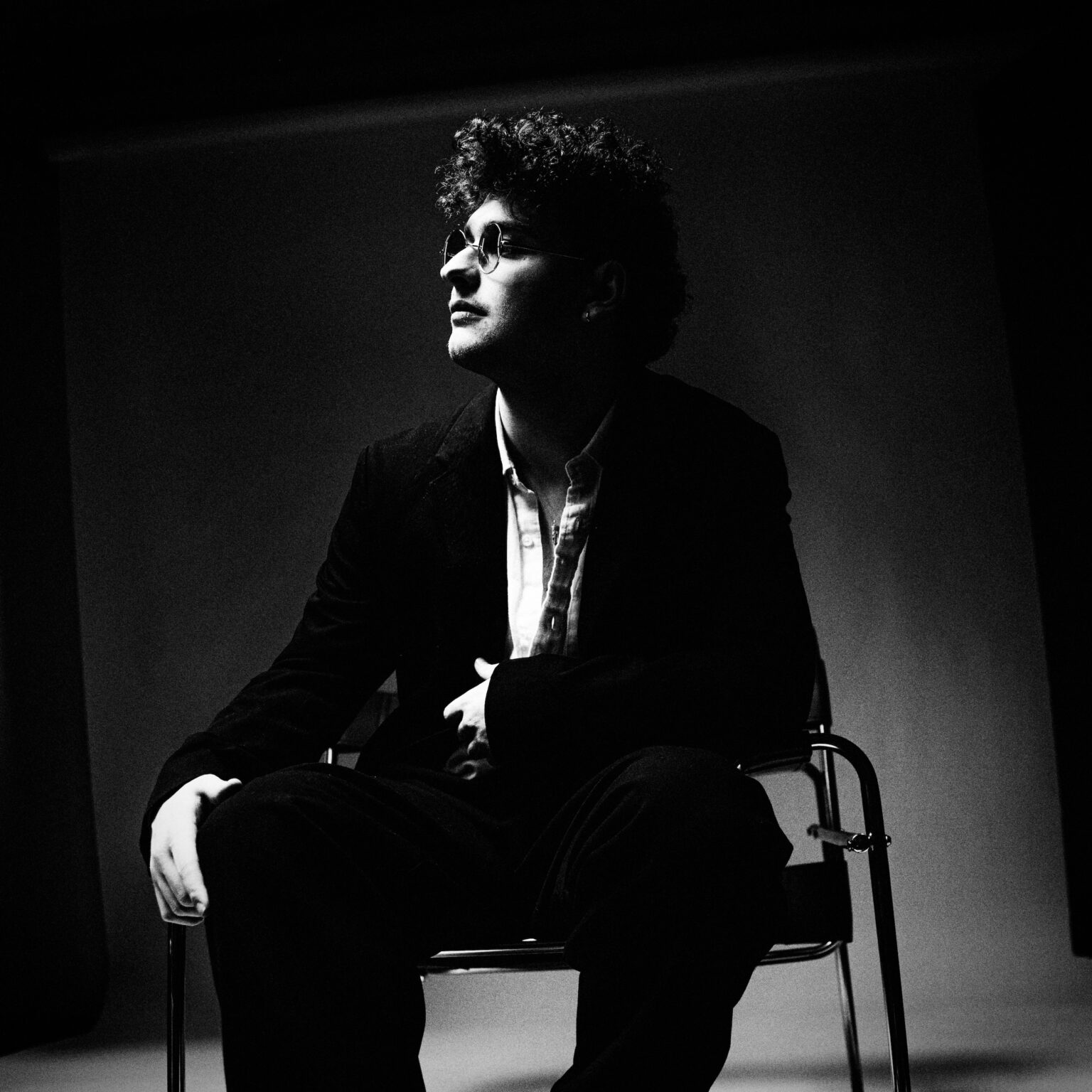
The film accompanying “Wanna Dance” by Joshua Pearlstein arrives as a vibrant extension of the artist’s growing creative momentum. Born in Atlanta and now based in Los Angeles, Pearlstein has steadily built a reputation for blending emotional honesty with energetic musical expression. Following the success of his previous single “Prize,” which helped push his streaming numbers past the million mark, “Wanna Dance” represents a continuation and a reinvention of his artistic path. Presented through a visually engaging short film, the track evolves beyond a simple audio release, becoming an expressive statement about rediscovering joy in the creative process. Rather than focusing on spectacle alone, the film emphasises movement, emotion, and the liberating spirit embedded in the song’s message.
The origins of the track give the film a particularly authentic foundation. Pearlstein wrote “Wanna Dance” in a single sleepless sitting, a burst of creativity that captured a moment of emotional clarity. That urgency translates directly into the film’s pacing and energy. The visuals reflect a sense of spontaneity, echoing the song’s central theme: letting go of pressure and reconnecting with the instinctive joy that first inspired the artist to create. Instead of portraying dance as performance alone, the film frames it as a release—an act of freedom that dissolves expectations. This narrative approach reinforces Pearlstein’s own words about the song’s purpose, which is not to impress but to rediscover the simple pleasure of movement and music.
From a sonic perspective, the track carries a polished yet vibrant production style that complements the film’s atmosphere. The mixing, handled by Yianni AP, ensures that the rhythmic elements remain crisp and energetic without overwhelming the melodic core. Meanwhile, mastering by four-time GRAMMY-winning engineer John Greenham gives the track a clean, expansive finish that translates beautifully into the film’s audiovisual presentation. These production choices create a sense of balance: the music is energetic enough to drive the visual momentum, yet refined enough to maintain clarity and emotional resonance. Within the film, this polished soundscape supports the narrative arc, guiding viewers through moments of reflection before returning to the track’s exhilarating pulse.
Visually, the film emphasizes motion as its central language. Dance sequences unfold naturally rather than feeling overly choreographed, reinforcing the song’s message about authenticity and self-expression. Lighting and camera movement work together to create a sense of fluidity, allowing the viewer to experience the rhythm almost physically. Instead of relying on rapid editing or excessive visual effects, the film embraces a more grounded aesthetic that keeps the focus on the human element of the performance. This choice gives the visuals a relatable quality, inviting audiences to imagine themselves within the same moment of uninhibited movement. As the film progresses, the boundaries between performer and viewer gradually dissolve, turning the act of watching into a shared emotional experience.
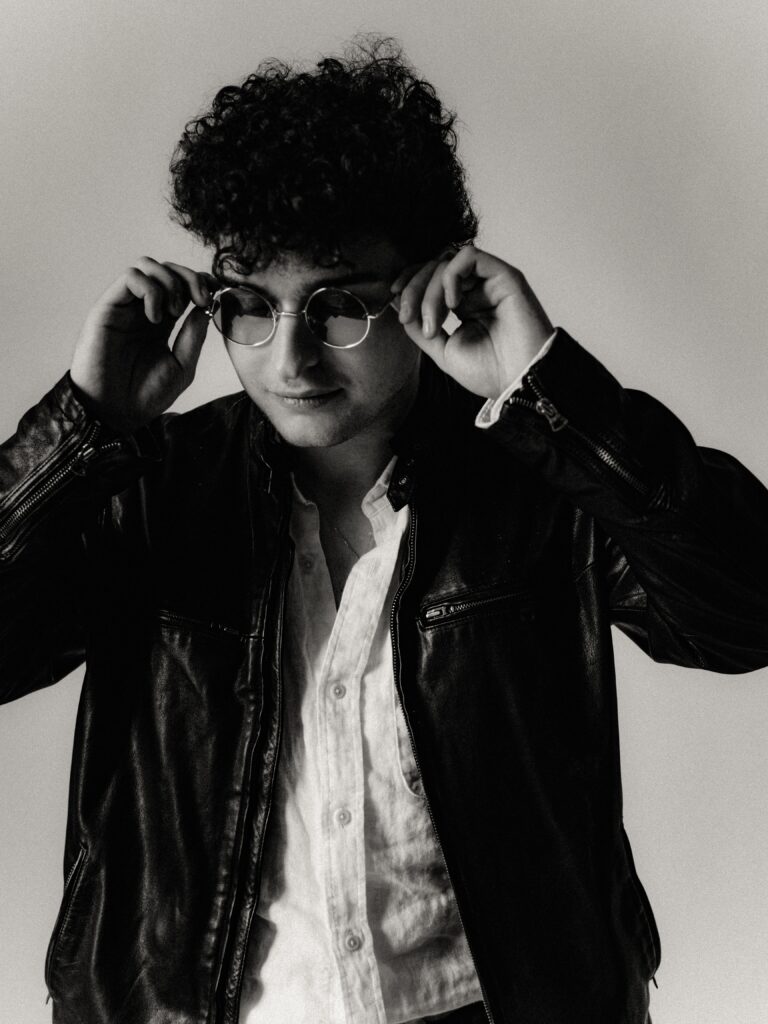
Ultimately, the film for “Wanna Dance” succeeds because it captures something deeper than a promotional visual. It reflects a personal turning point in Pearlstein’s artistic journey—an acknowledgement that the pressures of recognition and expectation can sometimes overshadow the simple joy that sparked creativity in the first place. By centring the film around movement, vulnerability, and celebration, Pearlstein reclaims that original inspiration and shares it openly with his audience. The result is a project that feels intimate and expansive: intimate in its honesty, yet expansive in its ability to connect with anyone who has ever sought freedom through music. In an industry often driven by image and competition, “Wanna Dance” stands out as a reminder that sometimes the most powerful statement an artist can make is simply choosing to move with the music again.
For more information, follow Joshua Pearlstein:
WEBSITE – SPOTIFY – SOUNDCLOUD – YOUTUBE – INSTAGRAM