
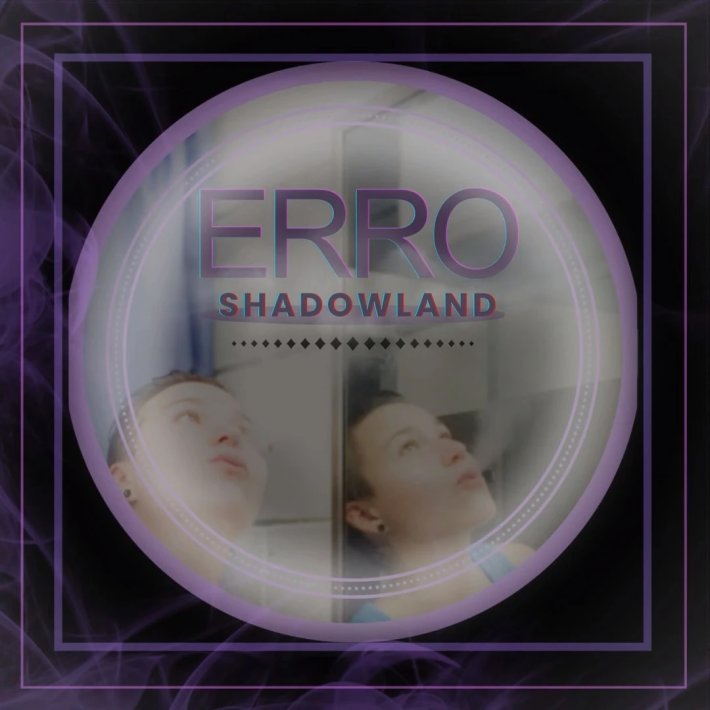
Erro’s sophomore album, Shadowland, feels less like a release and more like an arrival. Where many modern pop-rock records aim for sleekness and algorithmic perfection, Erro steps deliberately in the opposite direction, grounding their sound in human touch, lived emotion, and the imperfect beauty of real performance. Led by singer, songwriter, and multi-instrumentalist Nikki Stagel, this Pittsburgh-based collective continues its mission to prove that infectiously accessible music can still be made organically. Shadowland is a statement of intent, one that expands Erro’s sonic world while sharpening its emotional focus. These songs breathe, flicker, and linger like memories you didn’t realise you were still carrying.
From the opening title track, “Shadowland,” the album establishes its emotional geography. This is a record preoccupied with duality: light and darkness, certainty and doubt, comfort and confrontation. “Shadowland” unfurls with a measured confidence, drawing listeners into a space where introspection doesn’t feel heavy, but necessary. Guitars shimmer with a hazy glow, rhythms pulse naturally rather than mechanically, and Stagel’s voice sits front and centre—clear, grounded, and unafraid of vulnerability. There’s an immediate sense that these songs weren’t overthought into existence; they were captured as they happened. That commitment to one-take performance and minimal technological interference becomes a quiet but powerful act of resistance against the hyper-processed norms of contemporary pop.
“Honey Bear Lane,” one of the album’s standout singles, leans into groove and atmosphere with effortless charm. Anchored by a supple, rolling bassline, the track drifts into Pink Floyd-esque territory through its spacious guitar solos, which feel exploratory rather than indulgent. The song carries a nostalgic warmth without becoming retro cosplay, blending classic rock sensibilities with modern melodic clarity. It’s the kind of track that invites repeat listens not because it overwhelms, but because it subtly reveals new textures each time—an echo here, a bend there, a moment of restraint that says more than excess ever could.
The album’s emotional palette deepens with “The Watcher,” a song that highlights Erro’s growing confidence in arrangement and dynamics. Piano and horns play a central role here, lending the track an almost cinematic quality. The chorus is undeniably infectious—built for communal sing-alongs—but there’s an undercurrent of unease that keeps it from becoming purely celebratory. Lyrically, it feels observant, reflective, and quietly questioning, as though standing slightly apart from the world while still feeling deeply embedded within it. This balance between intimacy and distance is one of Shadowland’s defining traits, and “The Watcher” embodies it beautifully.
“JMS” shifts the album’s energy once again, channelling early John Mayer-inspired tonality without slipping into imitation. The guitar work here is particularly striking—fluid, expressive, and emotionally charged. Each solo feels purposeful, not flashy, carrying a sense of longing and release that mirrors the song’s internal tensions. It’s a reminder of how effective restraint can be when paired with strong melodic instincts. Erro understands that sometimes the most powerful moments come not from what’s added, but from what’s allowed to remain unpolished.
Midway through the album, tracks like “Walls” and “Dragonfly” further explore themes of growth, self-reflection, and emotional permeability. “Walls” feels contemplative and inward-looking, its structure reinforcing the idea of barriers—both internal and external—that we build and dismantle over time. “Dragonfly,” by contrast, carries a lighter, more fluid energy, suggesting transformation and movement. Together, these songs underscore Nikki Stagel’s evolving songwriting voice: confident enough to sit with discomfort, yet hopeful enough to imagine change without forcing resolution.
One of the album’s most emotionally resonant moments arrives with “Words About Life.” Framed as a modern folk-leaning ballad, the song strips things back to their emotional essentials. Stagel’s vocal performance here is particularly affecting—measured, expressive, and deeply human. There’s a conversational intimacy to the lyrics, as though these reflections were meant to be shared quietly, not broadcast loudly. Musically, the track reinforces Erro’s commitment to authenticity, allowing space and silence to do as much work as sound.
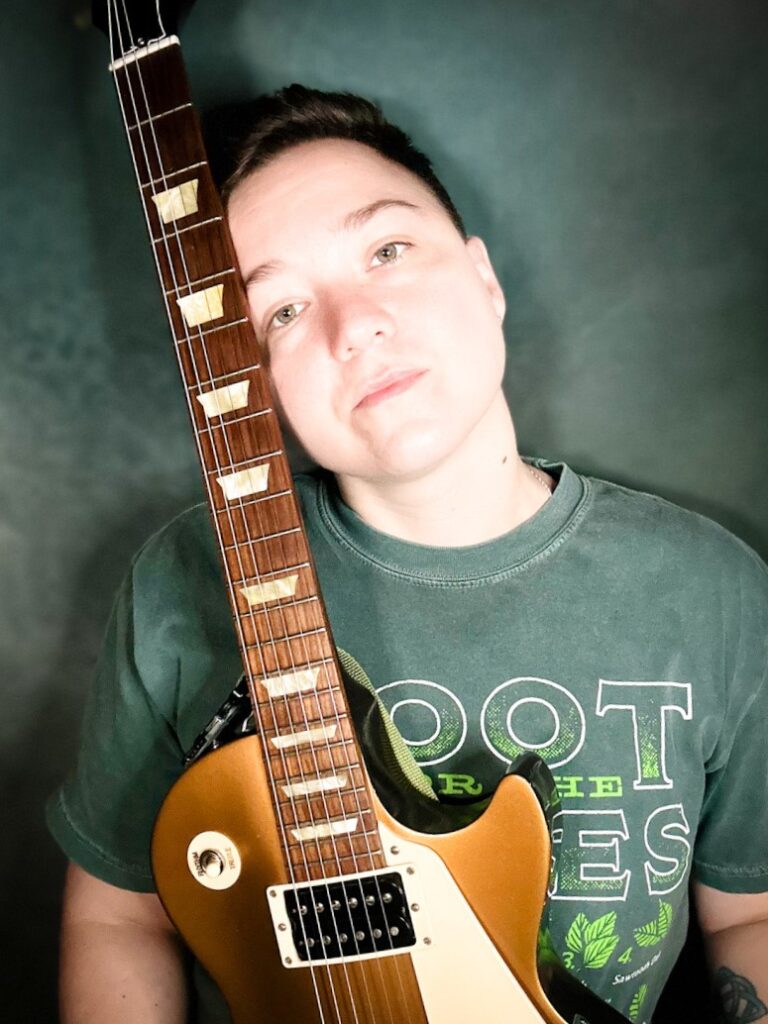
As Shadowland approaches its final stretch, “The Hollow” and “Over Me” serve as reflective bookends. “The Hollow” feels sparse and searching, confronting emptiness without drama. It’s a song that trusts the listener to sit with unresolved emotion, resisting the urge to offer easy answers. Closing track “Over Me” provides a sense of release—not necessarily closure, but acceptance. The album doesn’t end in triumph or despair, but in understanding, reinforcing the idea that growth is often quiet and nonlinear.
What ultimately sets Shadowland apart is its unwavering trust in the moment. Nikki Stagel and her collaborators—Michael Gerver, Nathan Bodnar, Aparna Nair, and others—approach recording not as a process of perfection, but of preservation. Every breath, guitar quiver, and subtle vocal shift is left intact, transforming these songs into artefacts of real time and space. In an era dominated by digital sheen, Shadowland feels refreshingly tangible. It’s an album that rewards attention, invites emotional presence, and reminds us that sometimes the first take—the honest one—is where the truth lives.
For more information, follow Erro:
Website – Facebook – Spotify – Instagram – YouTube