

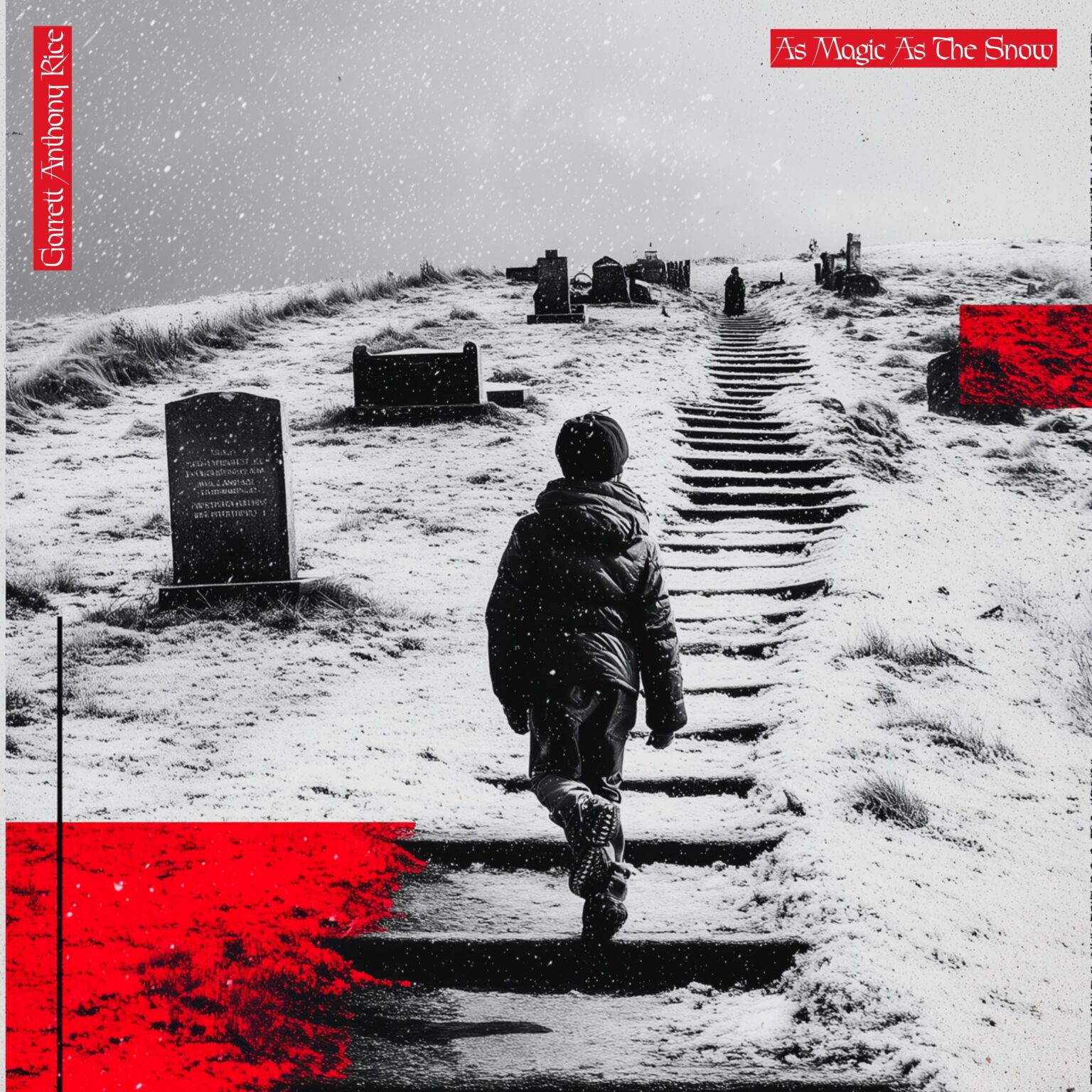
There are Christmas songs that celebrate the season through familiar decorations, sentimental melodies, and uncomplicated cheer, and then there are songs that understand winter can carry memories far more complicated than its sparkling surface suggests. Garrett Anthony Rice’s “As Magic As The Snow” belongs beautifully to the latter category, transforming a childhood sledding adventure into an emotionally expansive meditation on friendship, loss, and the extraordinary fragility of ordinary happiness. Originally from Dublin and now based in Greystones, County Wicklow, Rice approaches this seasonal composition with the instincts of an introspective folk songwriter and the ambitions of a chamber-pop storyteller. Recorded at Dublin’s Darklands Studio with producer Dan Doherty, the track represents a significant musical development for Rice, incorporating live brass and orchestral musicians for the first time. That decision proves wonderfully appropriate. The song begins with the intimacy of a recollection, gradually opening into something grander, more theatrical, and ultimately heartbreaking. Its central image—a young boy returning to a beloved sledding hill after the sudden death of his best friend—immediately establishes the emotional contradiction that makes the track so compelling. Snow becomes more than a seasonal backdrop. It represents childhood innocence, the passage of time, and the strange persistence of beauty after somebody important has disappeared. Rice understands that grief often arrives accompanied by happiness, because the memories of those we lose are rarely separated from the joy they once brought us.
The opening acoustic guitars establish an inviting warmth, their melodic strums immediately conjuring the familiarity of a favorite winter destination. Rice’s vocals introduce the recollection with an almost conversational tenderness, singing about “meeting you, with coal bags on our favorite hill.” That particular detail lends the scene a wonderfully tangible character. These are not abstract childhood memories assembled for poetic effect; they feel like moments pulled directly from the messy, exhilarating reality of growing up. Two friends, makeshift sleds, cold weather, and the thrill of going downhill fast are the building blocks of a friendship that lasts long after the people who were friends are gone. As “Let go, sleigh in tow, you and me both” emerges, the guitars become more delicate, allowing the vocal melody to move with an almost weightless quality. There is genuine playfulness in the arrangement, particularly as brassy flourishes begin to illuminate the otherwise earthy instrumentation. Yet Rice gradually introduces subtle signs of emotional disturbance. The appearance of heartrending strings around the “spill from red eyes and disappear” line changes the atmosphere considerably, suggesting the moment when cherished recollections collide with the painful knowledge of what happened afterward. Rather than abruptly announcing the tragedy, Rice allows the music to register its emotional consequences. The transition is remarkably effective because the song’s happiness remains audible even as heartbreak begins to emerge.
The chorus is where “As Magic As The Snow” truly blossoms into its chamber-pop identity. Rice’s vocal performance gains an enthused, almost celebratory intensity, supported by triumphant brass and stirring orchestral strings that expand the composition into something approaching cinematic grandeur. The melodic architecture feels particularly strong here, with the arrangement building naturally toward an uplifting crescendo rather than relying on sheer volume or exaggerated drama. Multiple string layers subsequently deepen the soundscape, creating a rich emotional atmosphere around the recurring “as magic as the snow” refrain. The phrase itself becomes increasingly affecting as the song progresses. Snow possesses an unusual ability to transform familiar landscapes, making ordinary streets and hills appear briefly enchanted, and Rice captures that same sensation in the way he revisits his childhood memories. The magic, however, is not simply located in the weather. It belongs to the friendship, the shared adventures, and the moments that seemed limitless when they were happening. The orchestral arrangement reinforces this distinction, offering grandeur without overwhelming the underlying intimacy. There is also a distinctly nostalgic melodic sensibility at work, with the expansive vocal-and-string passages recalling something of The Go-Betweens’ ability to combine melodic brightness with emotional complexity. Rice’s influences, including David Bowie, The Beatles, and Steely Dan, help contextualize his broader musical curiosity, but this particular song feels distinctly personal in its balance of folk simplicity and sophisticated pop arrangement.
Beyond its seasonal imagery, the track’s deepest emotional revelation arrives through its insistence that happiness should never be treated as something guaranteed. Past the five-minute mark, Rice delivers the striking reminder that “you never know when your garden may freeze; hold yours close.” It is a beautifully chosen metaphor, suggesting that even the most carefully tended parts of life remain vulnerable to sudden changes in weather. The garden becomes a representation of relationships, family, friendship, and all the small emotional investments that provide existence its meaning. Nothing in the song suggests that grief can be neatly resolved or that remembering someone necessarily makes their absence easier to bear. Instead, Rice presents remembrance as an act of continuing affection, a way of keeping the emotional significance of a friendship alive even when its original circumstances can no longer be recovered. This is where the song’s Christmas-season setting becomes especially meaningful. Holidays frequently encourage people to revisit familiar traditions, childhood experiences, and relationships that have shaped their lives, while simultaneously reminding them of those who are no longer present. Rice is very sensitive to that emotional tension. His orchestral arrangements may be expansive, but the message remains intimate: cherish the people who share your journey, because circumstances can change unexpectedly. The song’s mix of sadness and happiness feels real because neither feeling can cancel out the other.
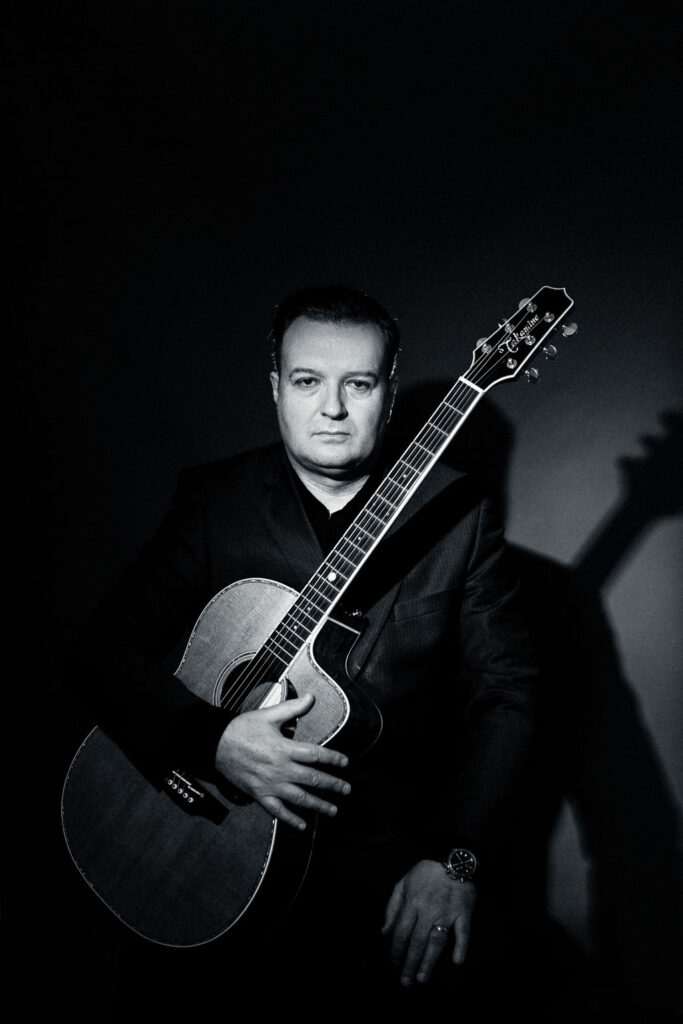
Ultimately, “As Magic As The Snow” is an exceptionally moving demonstration of how Garrett Anthony Rice transforms personal storytelling into something emotionally universal. Its arrangement marks an ambitious step forward, bringing acoustic guitars, violins, live brass, and lush orchestral textures together in a composition that feels both warmly familiar and refreshingly expansive. Yet the production’s greatest achievement is its ability to preserve the emotional delicacy of the original narrative. The music grows, swells, and reaches toward grandeur, but never loses sight of the two children racing down a snowy hill, delighted by the simple pleasure of being together. That image remains the song’s emotional center, and Rice’s increasingly impassioned vocals make the memory feel simultaneously joyful and devastating. As a Christmas-season release, it offers something considerably more substantial than conventional festive nostalgia. It recognizes that holidays can awaken grief as readily as happiness and that the most precious memories are often inseparable from the people who made them possible. The closing emotional impression is not one of despair but of gratitude for having experienced something beautiful in the first place. “As Magic As The Snow” ultimately reminds us that friendship can leave an enduring imprint, that childhood wonder deserves to be remembered, and that love becomes even more precious when we acknowledge how fragile life can be. Rice has created a song that feels like watching snow fall over a familiar landscape while remembering someone who once stood beside you. It is tender, luminous, and quietly extraordinary.
For more information, follow Garrett Anthony Rice
WEBSITE – FACEBOOK – SPOTIFY – SOUNDCLOUD – YOUTUBE