
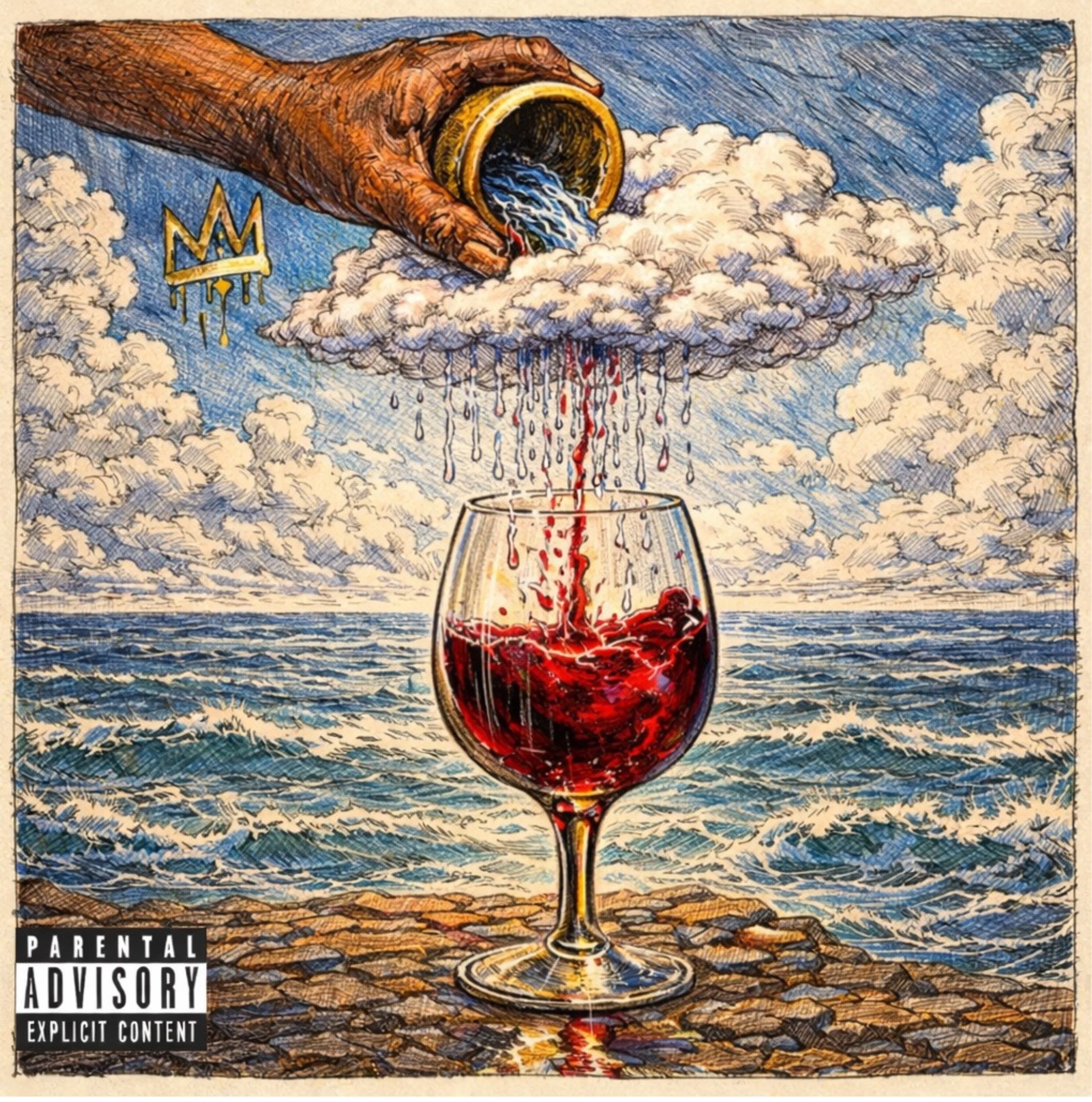
Concept albums have long been a special niche within hip-hop, giving artists the chance to tell stories that go beyond individual singles and become complete artistic statements. The collaborative project from Los Angeles lyricist Cashus King and producer Big O, Water to Wine, tackles that tradition with remarkable confidence. Instead of a set of disparate songs stitched together for a streaming playlist, the duo delivers a cohesive story of transformation, persistence, faith, and self-discovery. The biblical metaphor of turning water into wine is not only the title of an album but also the emotional and philosophical backbone of the project. Each song adds another chapter to the larger journey. It makes for a deep listening experience that pays dividends for attention from start to finish. This is not an album for instant gratification. Instead, it encourages the listener to take their time, to enjoy each transition, and to recognize how each lyrical idea and musical choice contributes to a larger whole. In so doing, Big O and Cashus King show that intelligent, conceptual hip-hop is still relevant and also intensely compelling in an era of increasingly fragmented listening habits.
The album begins with “Barry Water,” an introduction that at once sets the pensive mood. The song acts as a philosophical introduction rather than an ordinary introduction, based on grand orchestral arrangements and strong spoken-word delivery. It’s not a miracle but a meditation on the human potential for growth and responsibility, and it frames transformation as an active process. That pensive intro leads nicely into “LikWid (Big Fish),” where the project starts to pick up a bit of steam. Big O combines warm melodic textures with forceful percussion to create an environment that supports Cashus King’s intricate lyricism perfectly. His lyrics traverse images of flooded streets, addiction, perseverance, and survival with remarkable lucidity, allowing water to become a literal and symbolic force in the course of the record. His rapid delivery mimics the flow of currents, and his intricately layered wordplay is worth listening to time and again. He doesn’t sacrifice accessibility for complexity but finds a middle ground that invites both casual listening and deeper thought, giving the album an intriguing intellectual quality without going into academia.
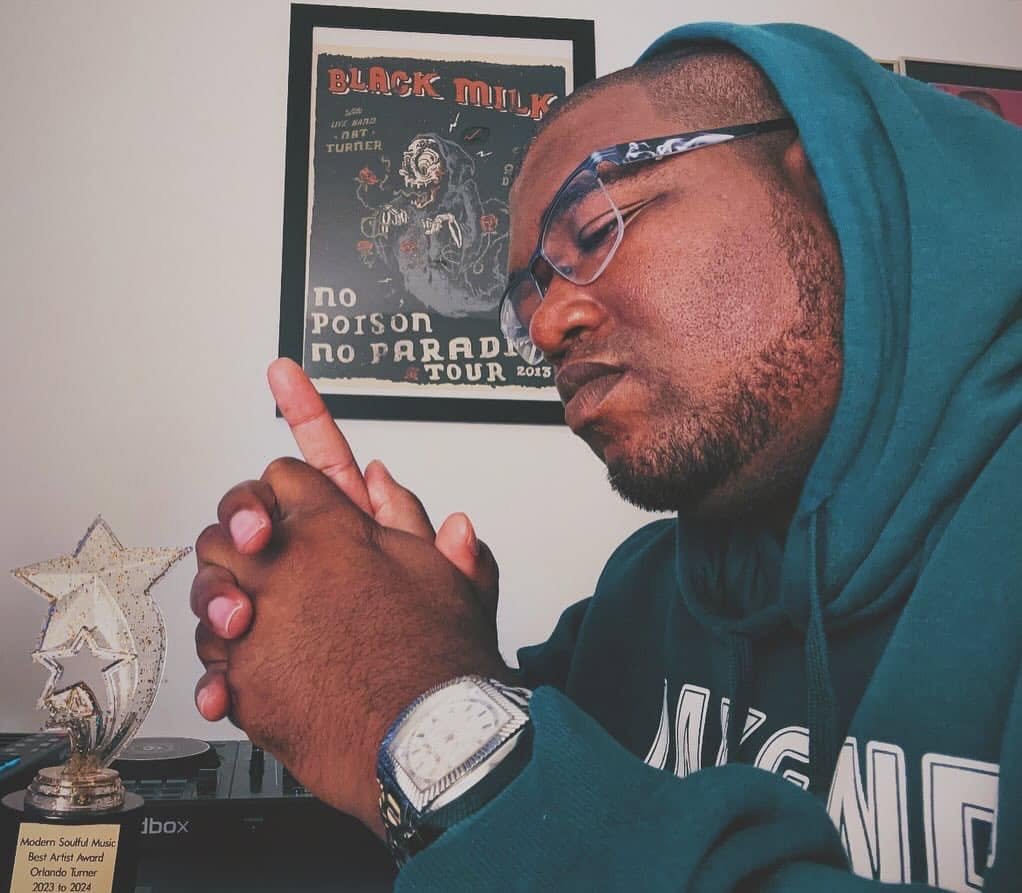
Water to Wine’s biggest strength is the chemistry between its two main creators. Cashus King’s appearance on Mornings Were Head Nod & Apple Jacks in early 2026 might have been how their partnership started, but the resulting collaboration sounds like it’s been in the works for years. Big O’s production is impressively cohesive across the entire album, blending soulful samples with cinematic instrumentation, thick basslines, and sharp percussion to forge an undeniable sonic fingerprint. Each transition feels intentional, reinforcing the idea that the listener is traveling through a single, continuous narrative rather than a series of separate songs. Executive producer Orlando Turner deserves credit for keeping that creative vision in place throughout the project, and engineer Argiris “Argy W” Psylomesis delivers a ridiculously polished mix that keeps all the warmth without sacrificing detail. There is a place for every instrument, and the emotional inflections of the playing are natural. This kind of technical coherence gives the album a lasting quality that becomes more apparent with each listen.
The backing musicians and featured artists never detract from the core vision of the project, only reinforce it. Samuel Adeoti’s expressive piano work on “Cherry Cola” and “Hydration (Reign)” has moments of understated elegance that lift the emotional landscape of the record. His performances don’t overpower the production but instead provide subtle melodic anchors that Big O’s expansive arrangements nicely complement. Guest appearances throughout the album are equally deliberate. “Precipitation” stands out for Fashawn’s consistent lyrical accuracy, echoing the album’s themes of cleansing and resilience. P-Rawb and L.O.U. provide new energy to “Cherry Cola” while Blu, Frannie EL, and Shari help turn “Streams” into one of the album’s most iconic collaborations. African-inspired rhythmic textures are seamlessly blended with classic boom bap foundations, demonstrating Big O’s versatility as a producer without ever compromising the project’s coherence. Everyone working together has the assignment, has their point of view, but is totally committed to the overall artistic narrative.
“Drippin’ (Soakin Poems)” is one of the album’s highlights. It captures the restless emotional energy that defines much of the project’s essence, fusing urgent production with some of Cashus King’s most compelling writing. His verses cascade over the instrumental with such assurance, coalescing fluidly around spiritual reflection, personal accountability, social observation, and poetic self-examination. The repeated images of veins carrying liquid and poems dripping from lived experience reinforce the album’s central metaphor: that adversity can be a source of creative renewal. The performance never feels forced or too symbolic; it develops organically from the emotional truths contained within the lyrics. It is the kind of composition that reveals more with subsequent listens and pays dividends for those willing to revisit its dense imagery and intricate rhyme structures. Such moments serve as a reminder of why Cashus King has garnered such widespread respect within underground hip-hop circles.
The album’s conceptual momentum never falters as it progresses. “Drownin” is able to confront emotional pain without melodrama, making space for vulnerability as just another step in the larger process of transformation. The shift into “Hydration (Reign)” feels particularly rewarding, with soaring orchestral flourishes and graceful piano from Samuel Adeoti providing one of the album’s most emotionally impactful moments. Later tracks continue to expand the project’s philosophical scope without feeling like they’re rehashing ideas. “Potions” with G-Holy contemplates the choices people make in the name of healing and fulfillment, and “Swimmin’” keeps the album on track with confident lyricism and engaging production. “Holy Water” brings one of the record’s most spiritually reflective moments, emphasizing redemption and renewal with sincerity and not dogma. “Like Lava for Water” raises the emotional stakes with vivid imagery; “Dark Agua” with Big Tone adds darker emotional textures that keep the narrative from becoming too optimistic. Every song has a meaningful part to play in the larger journey, maintaining the album’s sense of progression from beginning to end.
Perhaps the most impressive achievement of Water to Wine is its refusal to compromise on artistic substance so as to appeal to a broader commercial audience. Cashus King once again shows why he is still one of the most respected lyricists in the West Coast underground. His storytelling is intimate without being self-involved, spiritually informed without being preachy, and intellectually engaging without alienating listeners. Every verse seems to be grounded in lived experience, lending even the album’s more abstract imagery a visceral authenticity that lingers long after individual songs have finished. Big O is as vital to the success of the project, providing lush, soulful soundscapes that live and breathe with the lyrics instead of just propping them up. His cinematic sense makes the production itself an active storytelling device that makes instrumentation convey emotion as well as the words themselves. The pair has created an album that privileges patience, craftsmanship, and narrative cohesion over instant hooks or algorithm-friendly trends.
The last song, “Wine,” is a deeply satisfying way to end the journey that was started in the first moments of the record. It doesn’t end abruptly or trail off with a fuzzy conclusion but feels like a natural conclusion to all the emotional and philosophical strands that have been woven through the movie. The change promised by the album’s title finally arrives, not in a dramatic spectacle, but in quiet confidence and earned resolution. The album leaves the listener with the feeling that growth is not instantaneous and not easy; it’s slow, imperfect, but ultimately good. Water to Wine has a strange sense of replay value in that there is a sense of completion that makes the audience want to go back and listen to earlier songs, knowing more about their part in the larger story. It’s rare to find an album where sequencing is so important, and even rarer to find one that is consistently brilliant for its entire length without sacrificing the standout moments.
Ultimately, Water to Wine stands as one of the more thoughtfully crafted underground hip-hop releases of the year, proving that a meaningful concept album can still captivate modern audiences. Big O and Cashus King have done more than release a collection of excellent songs; they have made an artistic statement based on faith, perseverance, introspection, and creative discipline. The album’s ambitious vision is realized thanks to executive producer Orlando Turner, engineer Argiris “Argy W” Psylomesis, pianist Samuel Adeoti, and a carefully curated group of guest artists. The result is a project that feels timeless, not trend-driven, one that invites listeners to engage with its themes as much as its music. Fans of lyrical craftsmanship, soulful production, and cohesive storytelling will find Water to Wine to be an experience that gets better every time you return to it. This is an album not just to listen to but to live with—a potent reminder that real hip-hop still exists when artists focus on purpose, patience, and true creative belief.
For more information, follow Big O:
FACEBOOK – SPOTIFY – INSTAGRAM – FACEBOOK