


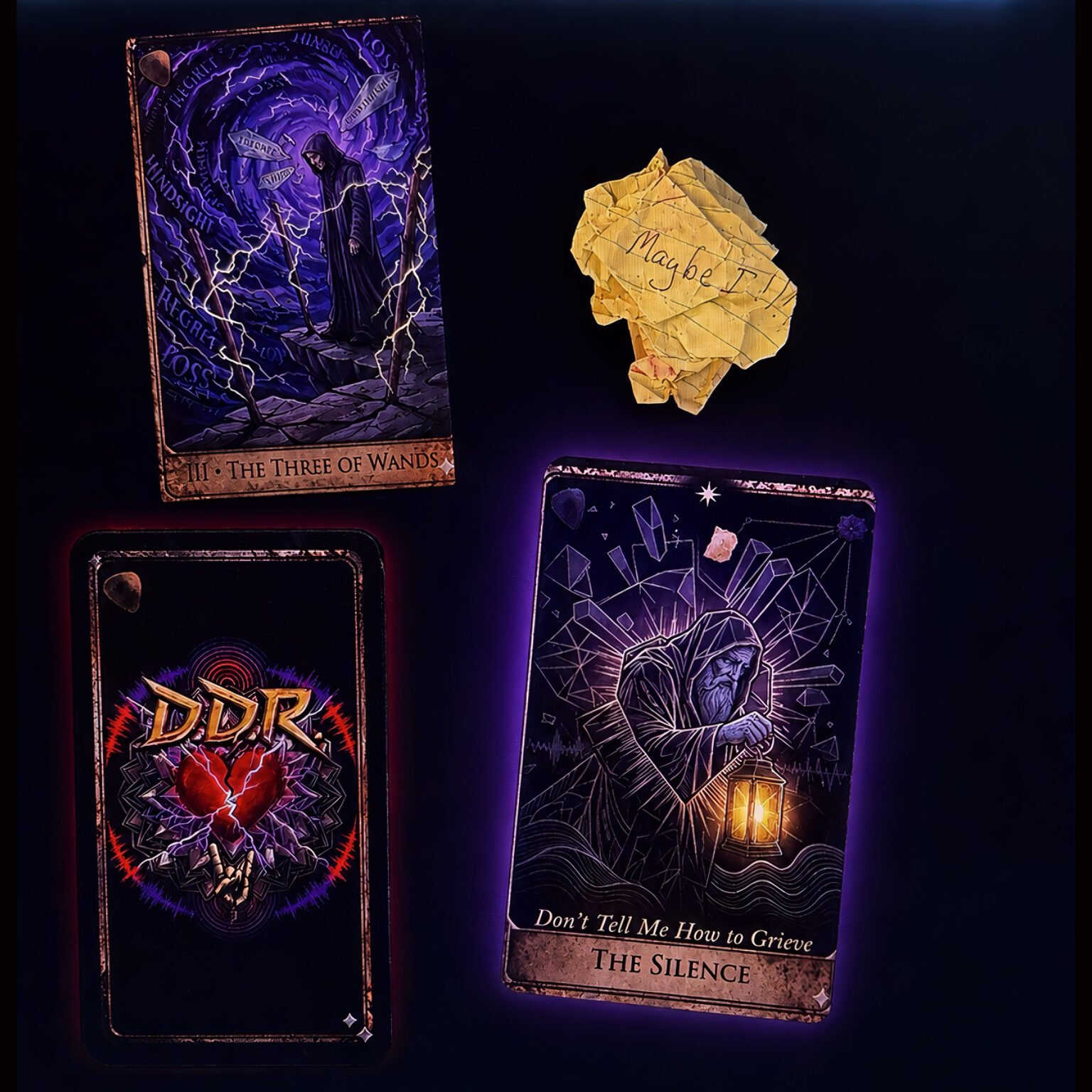
Grief has inspired some of music’s most unforgettable moments, but few songs have been able to capture its complexity without succumbing to sentimentality or easy answers. That’s what D.D.R. (Divorced Dad Rock) does so well with “Don’t Tell Me How to Grieve,” a deeply affecting rock ballad that approaches loss with remarkable honesty and compassion. Songwriter Stephen Paul does not see grief as a problem to be solved but rather accepts its unpredictable nature, knowing that each person’s path through heartbreak is unique. The song doesn’t try to prescribe healing or lay out a universal roadmap of recovery. Instead, it makes room for sorrow, confusion, frustration, and acceptance to exist together without judgment. That emotional maturity sets the track apart from so many other ballads built on dramatic declarations or convenient resolutions. It’s a song that knows silence can say more than explanation and empathy can be a lot more comforting than advice. In the process, D.D.R. offers a stirring reminder that music’s highest service is often not in healing pain but in helping listeners feel less alone in bearing it.
Right from the opening piano chords, “Don’t Tell Me How to Grieve” establishes a mood of quiet reflection that gradually builds into something much greater. This is a patient arrangement, allowing the new layers to come in naturally, rather than rushing the emotional crescendo. Gentle piano melodies offer an intimate opening, while expressive electric guitars gradually expand the emotional landscape, eventually supported by soaring saxophone lines that provide warmth, richness, and remarkable emotional color. Every instrumental decision seems deliberate, reflecting the unpredictable emotional development that accompanies real grief. There are moments of stillness where the music seems to take a breath, and then there are powerful crescendos that release emotional tension that has built but never overwhelms. The production skillfully evokes the grandeur of classic arena rock while preserving the vulnerability of current singer-songwriter narratives. It’s a wonderful balancing act. The arrangement does not swamp listeners in over-loudness or over-complex orchestration but instead lets each instrument serve the emotional narrative of the song. The listening experience is cinematic but very personal throughout.
Stephen Paul’s songwriting is particularly noteworthy for its emotional authenticity. It is clear from the lyrics that he is a novelist, writing about observation and lived experience, not dramatic exaggeration. Paul eschews vague emotional language and instead centers on a particular, universally recognizable frustration: the feeling of mourning in a crowd of people ready to tell you how that mourning should be expressed. That core concept gives the song a great deal of emotional weight, because it taps into something unsaid about loss. The pain itself is bad enough, but the pressure of living up to other people’s expectations can make the healing process even more complicated. Paul’s vocal performance beautifully supports that emotional honesty. He’s always grounded in his delivery, communicating vulnerability without ever being theatrical. Every phrase is delivered with a conviction that makes you believe every word is being lived, not just performed. That sincerity allows the listener to project their own experiences onto the song, whether they’re grieving the loss of a loved one, going through a divorce, or just working through some deeply personal kind of heartbreak.
One of the most compelling aspects of the release is its thoughtful visual presentation, beyond the music itself. While many artists these days turn out visuals that are quickly produced, D.D.R. has a much more personal approach. The accompanying lyric video features handwritten words from a journal, transforming the song into something like a private diary entry shared with the world. This simple creative decision adds a ton to the emotional impact. Seeing such handwritten lyrics spill across the page creates the mental image of someone laboring with overwhelming emotions alone, adding to the very personal themes of the music. The visual presentation, combined with the song’s tarot-inspired artwork, results in a cohesive artistic identity that focuses on the themes of memory, reflection, and emotional resilience. Every creative detail is like a lovingly hand-made thing, expanding the humanity of the recording well beyond its sound. In a world where music is increasingly digital, these artistic choices convey a refreshing commitment to authenticity that echoes the emotional honesty embedded throughout the song itself.

In the end, “Don’t Tell Me How to Grieve” works because it never mistakes emotional honesty for melodrama. D.D.R. understands that the most affecting songs about loss rarely come from the loud lamentations of grief but from hushed truths spoken with real vulnerability. Measured arrangement, heartfelt songwriting, expressive musicianship, and a deeply invested vocal performance combine to create a power ballad that’s more timeless than trendy. Every crescendo feels earned, because it grows organically out of real emotional material, not manufactured theatricality. More importantly, the song respects its listeners by not dumbing down one of life’s most complicated experiences. It acknowledges there is no set timetable for grief, no right way to grieve, no easy way to get through it. Instead, it gives you something far more valuable: understanding. D.D.R. has thus created a memorable rock ballad, an artistic achievement and a compassionate companion for anyone going through life’s toughest chapters. “Don’t Tell Me How to Grieve” is a real affirmation that each person’s grief journey is entitled to patience, dignity, and the space to unfold in its own time.
For more information, follow D.D.R
SPOTIFY – YOUTUBE – INSTAGRAM – TIKTOK