



“Memories” by Every Other Weekend is a quietly devastating and deeply human meditation on grief, identity, and the fragile architecture of remembrance. Led by singer-songwriter Chris Bull, formerly of Manchester indie-rock outfit City Reign, the track arrives not as a grand emotional spectacle but as something far more powerful: a gentle, reflective act of preservation. From its opening lines — “What do you think would be remembered / If all the paperwork flew away” — the song immediately frames its central tension between bureaucracy and memory, documentation and feeling, recorded history and lived experience. This isn’t nostalgia as sentimentality, but nostalgia as survival. Bull writes from a place of loss, transition, and reconstruction, transforming personal grief into something universally resonant. The song feels like a quiet vow rather than a confession — a promise to hold onto meaning in a world increasingly defined by noise, data, and forgetting.
Lyrically, “Memories” is built on profound simplicity. The repeated refrain — “I will hold on to these” — becomes both mantra and anchor, reinforcing the idea that memory itself is an act of resistance. Bull’s writing avoids abstraction and poetic excess, instead choosing clarity and emotional precision. Lines like “I can’t remember any of the details now / Just the feeling of home” capture something deeply true about human remembrance: that facts fade, but emotional truth remains. The song reframes memory not as a static archive, but as a living force — something we choose, shape, and carry forward. The lyric “every memory is a window to your soul” functions as the philosophical core of the track, transforming personal history into moral and emotional identity. These are building blocks of selfhood.
The emotional weight of the track is inseparable from Bull’s real-life context. Emerging from a period marked by the death of his father, the breakdown of his first marriage, the dissolution of his band, and a full-scale life reset, “Memories” feels earned rather than constructed. His relocation back to London, living again with his mother, training as a lawyer by day while revisiting old family photo albums by night, gives the song a powerful duality: the collision between institutional systems and intimate history. Paperwork versus photographs. Contracts versus conversations. Public identity versus private grief. This tension runs through the song’s DNA, giving it a quiet philosophical depth that extends beyond autobiography. Bull is interrogating how modern life reshapes our relationship with truth, history, and personal narrative in a world saturated with information but starved of meaning.
Musically, “Memories” mirrors its lyrical restraint. The production is understated, warm, and emotionally transparent, allowing the song’s core message to breathe. Nothing feels overproduced or ornamental — the arrangement serves the sentiment, not the other way around. This simplicity becomes its strength, and the track invites intimacy. It feels like a late-night conversation rather than a performance, like sitting with someone who is finally allowing themselves to process loss out loud. The repetition of the chorus doesn’t feel redundant, but feels ritualistic, reinforcing the act of holding on as something sacred, deliberate, and necessary. There is a sense of emotional stillness in the music, not emptiness, but calm — the quiet that comes after chaos, the pause after upheaval.
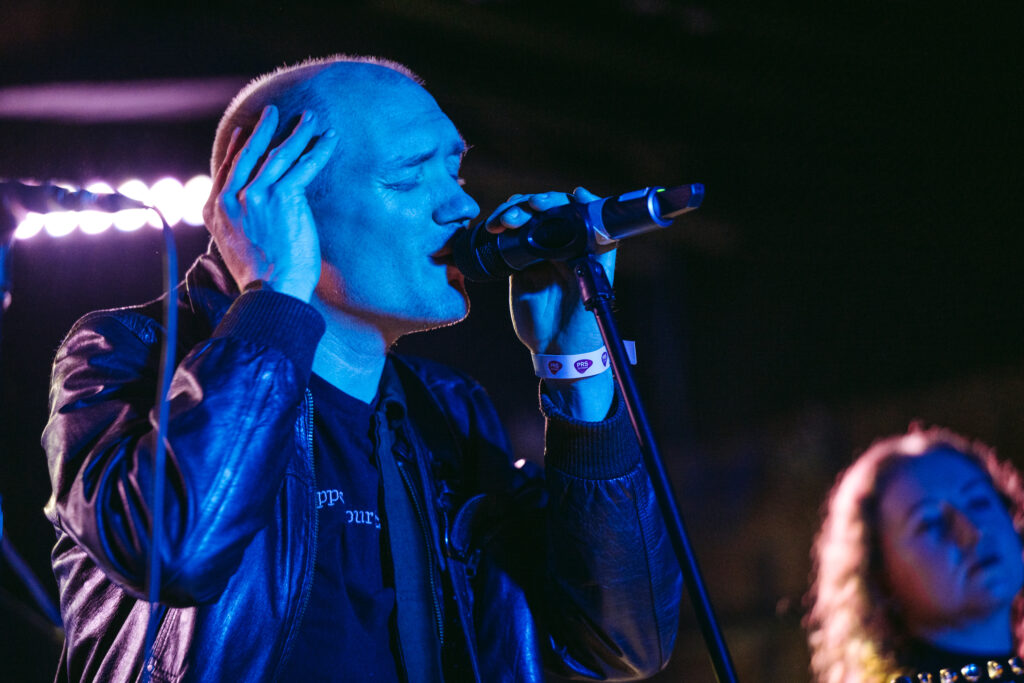
Ultimately, “Memories” is a song about how we survive the present. Through Every Other Weekend, Chris Bull has created a project rooted in reflection rather than reinvention, in depth rather than reinvention-for-its-own-sake. As the second single from the forthcoming debut album All Present and Inept, the track sets a powerful emotional and thematic foundation: this is music about rebuilding identity, reclaiming narrative, and finding meaning in fragments. “Memories” doesn’t dramatise grief, but dignifies it. It doesn’t romanticise loss, but humanises it. In a cultural moment obsessed with speed, novelty, and visibility, this track feels quietly radical in its slowness, sincerity, and emotional honesty. It reminds us that memory is something we live inside of, something we carry forward, and sometimes, something that carries us.
For more information, follow Every Other Weekend:
YOUTUBE – SOUNDCLOUD – INSTAGRAM