
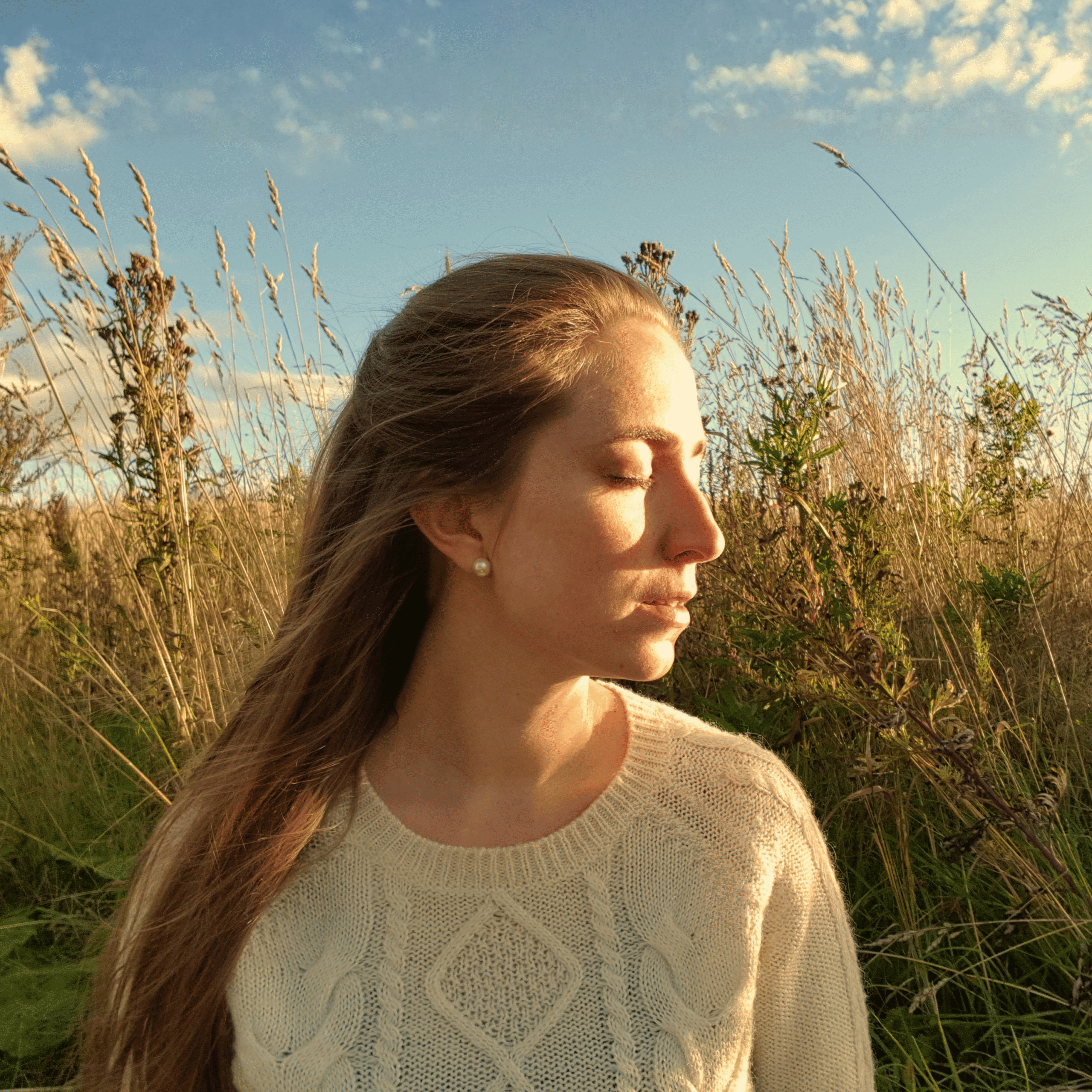
Petra Jasmiina’s “Dawn” has a certain tenderness about it, knowing that the beautiful life it describes was once only a feat of imagination. The song seems to be about a basic morning: waking up next to the one you love, having a tiny home, and the quiet happiness of a life together. But behind those mundane details is a much more complicated emotional history. After years of the exhausting dating culture of New York City and one disappointment after another, Jasmiina wrote “Dawn” when that life felt heartbreakingly out of reach. Rather than composing another song about heartbreak, she envisioned the morning she so badly wanted to have. That decision gives the track an unusual emotional duality. It’s romantic, not naive; hopeful, but from a place where hope had nearly vanished. The song is basically longing as architecture, building an imaginary home where love, security, intimacy, and belonging can exist—for a time. What makes the premise especially touching is that it doesn’t take much fantasy to feel complete. No grand cinematic gestures or overblown pronouncements. The dream consists of the sort of details that are easily overlooked—a shared room, a morning, another person beside you, the feeling that you’ve finally gotten somewhere safe emotionally. Jasmiina understands that romantic fulfillment, at its best, is often anything but spectacular. It is waking up and realizing that the normal life you always feared you would never have has now become your life.
Musically, “Dawn” translates that emotional simplicity into a soundscape that is almost physically soothing. Birdsong immediately connects you with nature, while acoustic arpeggios create a gentle rhythmic underpinning and serene synths fill out the atmosphere without taking over. The setup seems to be designed to slow the listener down. Jasmiina takes the track for a walk instead of forcing it to dramatic heights. You get the feeling of being outside early in the morning as the world begins to wake around you. There’s an undeniable pop-folk sensibility here, but it’s cushioned by an ambient spaciousness that gives the production a dreamlike quality. The result is a sonic equivalent of quiet euphoria: happiness without grandness, warmth without excess. Her description of the song as embodying cottagecore is especially apt, as the music captures the emotional fantasy associated with that esthetic without reducing it to decoration. It is a sense of, as it were, rural stillness, of natural beauty, of domestic comfort, of uncomplicated pleasure, but these are felt to be emotionally necessary and not just picturesque. The acoustic guitar is that handmade feel, and the synth textures are what gently expand the frame, making it a meeting point between the organic and the atmospheric. It is music that seems to require a deep breath. The title itself has a spacious quality. Dawn is that moment when the darkness hasn’t completely passed but the light is already coming, and Jasmiina’s piece embodies that transition from uncertainty to possibility perfectly.
It’s Jasmiina’s ability to move between the everyday and the allegorical that gives “Dawn” its power as a lyric. Her dream morning is not some impossibly perfect fantasy divorced from actual life, but rather she invests ordinary domestic existence with emotional significance. That makes the song more relatable, because many people understand the longing not necessarily for some grand romance, but for the feeling of finally having a person with whom the small moments matter. Morning is a metaphor for emotional arrival in Jasmiina’s hands. The home is not just a physical place; it’s a sign of the stability and belonging she had begun to doubt could exist. This is where the song’s vulnerability really shines through. Writing from a place of near-hopelessness could have easily produced something bitter or self-pitying, but “Dawn” opts for imagination. Creativity is a form of emotional survival. When reality was giving Jasmiina little evidence to believe in the future she wanted, she created that future on the page and in the melody. There is courage in that gesture, for to imagine something beautiful as you are hurting can seem more dangerous than to admit defeat. The song works on two levels: it is a love song to an imaginary partner, but it is also a testament to the persistence of desire itself. Jasmiina refused to let disappointment after disappointment define the limits of her imagination. Her writing is so poetic that the song never becomes insular, just personal. Listeners may find their own versions of waiting, hoping, imagining, and wondering if the life they want is actually waiting somewhere beyond the next disappointment.
The most incredible part of “Dawn” is the fantasy in the end becoming fact. Jasmiina has described the song as a prayer in music that she wrote when she was about to give up on love, and that imaginary future came true a couple of years later. That knowledge shifts the emotional temperature of the recording. What starts out as escapism turns into more of a document of hope that lived through its own moment of doubt. There’s an almost uncanny quality about hearing an artist describe a life she hadn’t lived, then finding out that the details she put inside the song would resemble her circumstances later. But the track never has to force that coincidence to feel like a miracle or be over the top. Its power lies in the authenticity of the original emotional impulse. Jasmiina was not writing with certainty; she was writing out of the absence of certainty. That difference gives “Dawn” its heart. The song is an illustration of how creativity can be a temporary refuge, where one can live in a possibility before life has caught up with it. Jasmiina’s performance and production reinforce that intimate quality. Recorded, arranged, and produced by the artist herself, the track has the feel of something carefully assembled from personal experience rather than manufactured for effect. Craig Levy’s mixing and mastering at Little Pioneer Cider House in New York is the final touch, retaining the spaciousness and clarity that allow the different textures to sit together naturally. Nothing needs to scream. It’s the accumulation, the birdsong, the guitar, the synths, the words, and the knowledge behind it that makes the emotional impact.
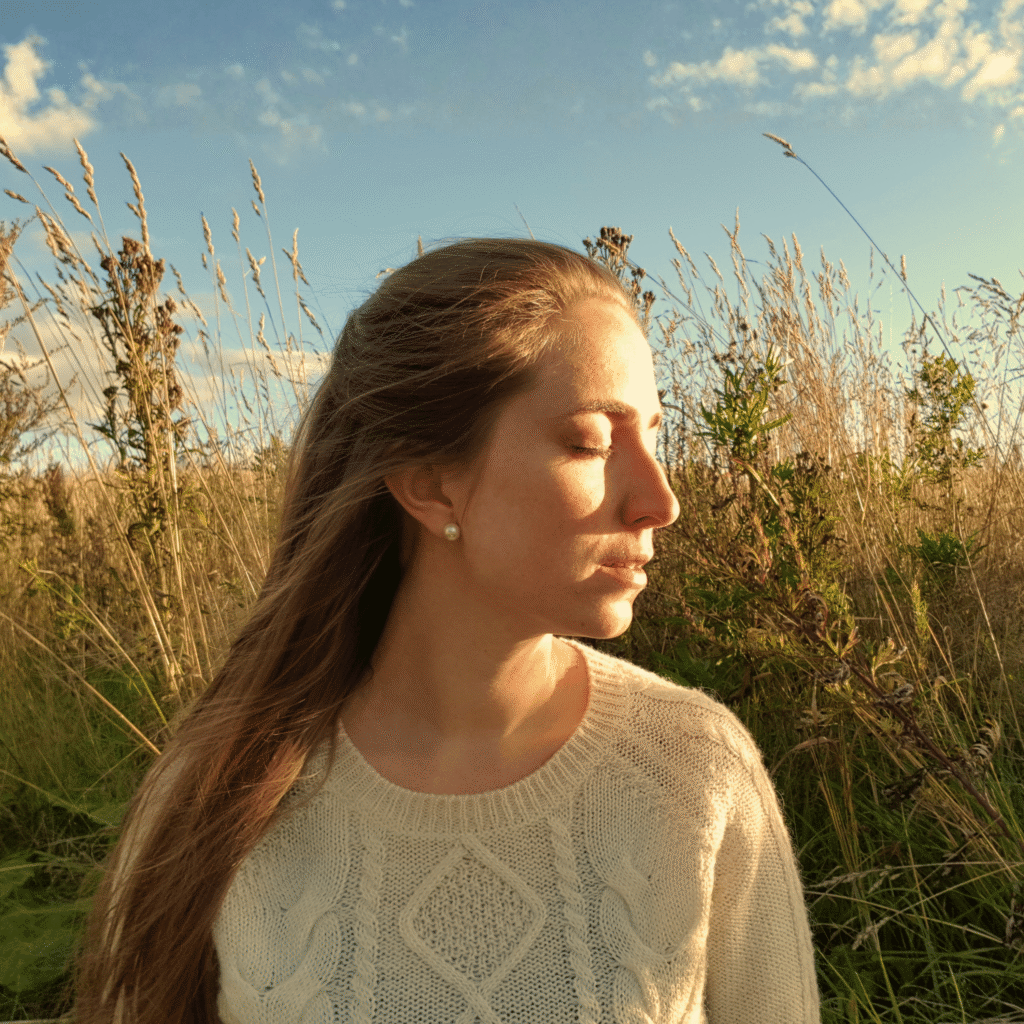
It’s also an especially fitting chapter in a project designed to unfold like a storybook, one release at a time, as the latest single from Jasmiina’s forthcoming full-length album “Dawn.” It has the makings of a beginning: morning light, the promise of possibility, the quiet knowledge that darkness does not get the last word. But its emotional arc started from a much darker place, and that makes the brightness even sweeter. It is optimism seasoned by experience. It is optimism that has survived loneliness and disappointment and become more deliberate. That’s what makes “Dawn” different from a typical romantic fantasy. Jasmiina doesn’t tell her listeners that love is beautiful. She shows what it means to imagine beauty when you have begun to doubt that it will ever come. Acoustic textures, natural ambiance, serene electronics, and intimate songwriting make for a world warm enough to inhabit, but it’s the story behind that world that keeps it grounded in reality. Ultimately, “Dawn” is about so much more than waking up next to a loved one. It’s about the strange power of painting a picture of happiness when you have no evidence that happiness is coming. Desperate moments became songs about the life Petra Jasmiina wanted, and those songs became a surprisingly accurate glimpse into the life that was waiting ahead. There are few things more satisfying in a love song than that kind of emotional arc: not just dreaming of the light, but one day finding yourself standing inside it.
For more information, follow PETRA JASMIINA
WEBSITE – FACEBOOK – TWITTER – SPOTIFY – YOUTUBE