
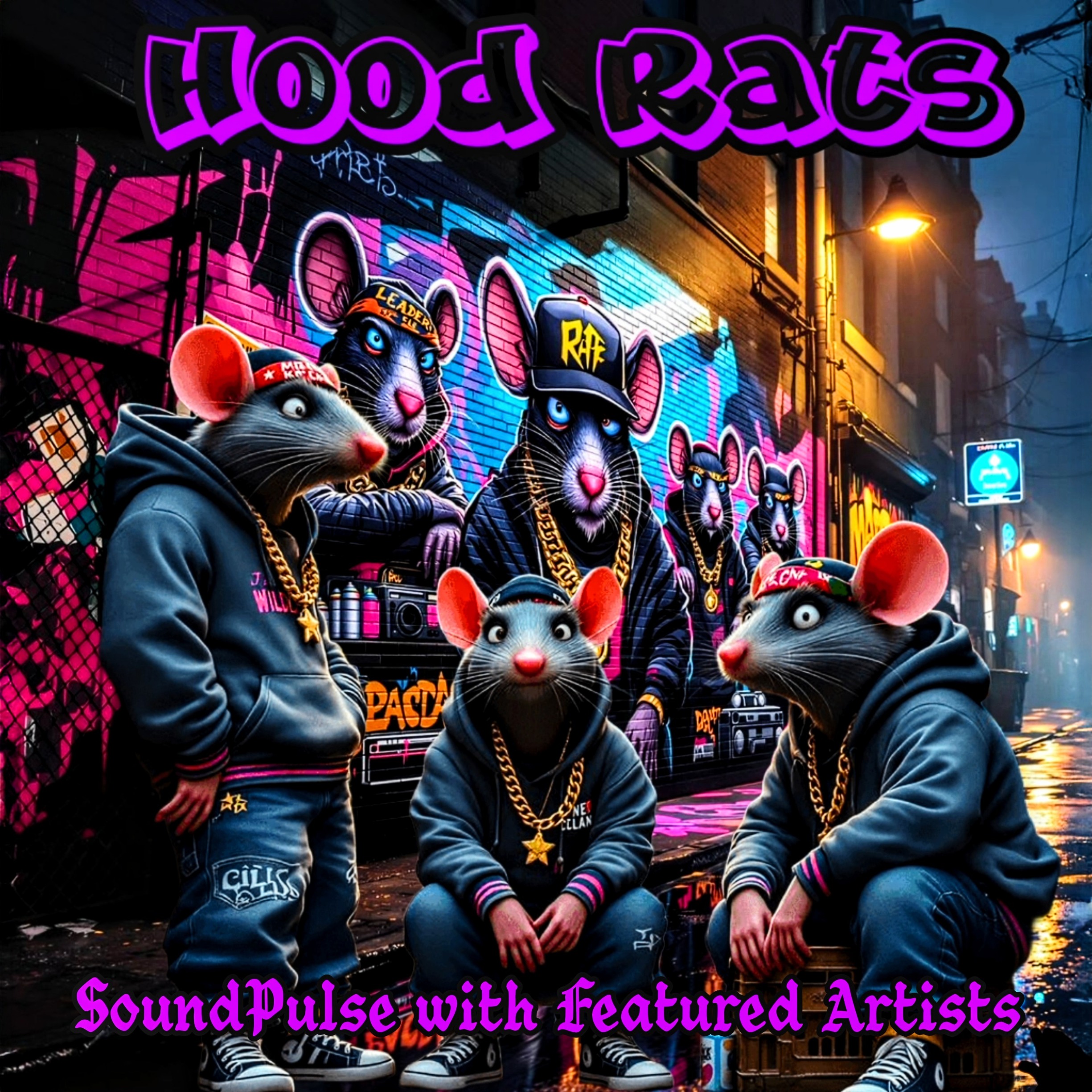
The film accompanying the album Hood Rats by Lisa Jo transforms a deeply personal musical project into a vivid visual narrative about resilience, identity, and survival. Rather than presenting a simple sequence of music videos, the film unfolds like a cinematic reflection on the emotional and social themes embedded throughout the album’s thirteen tracks. Released in 2025 through SoundPulse Record Label LLC, the project blends hip-hop storytelling with a visual atmosphere that captures the tension and determination present in urban life. From the opening moments, the film signals its ambition to act as an extension of the album’s narrative voice, presenting images and performances that bring the songs’ themes into sharper focus.
The story behind the project adds an unmistakable layer of gravity to the viewing experience. Before embarking on her musical journey, Lisa Jo worked as a nurse supervisor with the New York State Department of Health. A life-altering diagnosis involving Multiple Myeloma and Lymphoma forced her into an unexpected transformation, leading her away from traditional performance and toward songwriting and production. The film subtly acknowledges this background by framing the music as an act of emotional survival. Each visual segment carries an undercurrent of urgency, suggesting that these songs were born from a necessity to process pain, loss, and resilience. As a result, the film’s tone never feels superficial, but mirrors the artist’s determination to translate lived experience into creative expression.
Musically and visually, the opening segment, built around “Everyday Struggle” establishes the film’s thematic foundation. Featuring the rapper J-Mac, the track arrives with a hard-hitting boom-bap rhythm that immediately recalls the classic textures of 1990s hip-hop. The accompanying visuals lean into stark urban imagery—dimly lit streets, close-up performance shots, and flashes of city life that reinforce the narrative of perseverance. The film uses these images not simply as decoration but as storytelling tools. Each shot echoes the message embedded in the lyrics: that survival often demands resilience in the face of relentless hardship.
As the film progresses, the mood shifts with tracks such as “Voodoo” and “Hope in the Hood,” each introducing different shades of atmosphere and emotion. “Voodoo” injects a hypnotic groove into the project, pairing its bass-driven rhythm with visuals that lean toward stylised symbolism rather than straightforward realism. Meanwhile, “Hope in the Hood” acts as a reflective midpoint within the film’s narrative arc. Its imagery focuses on community and resilience, capturing moments that suggest solidarity in places where opportunity is often scarce. Through careful editing and pacing, the film presents these scenes as visual metaphors for endurance, reminding viewers that hope can persist even in environments shaped by adversity.
The presence of Ebony Reign adds another compelling dimension to the film’s narrative voice. Her performances on tracks such as “Street Queens,” “Same Ladder,” and “Fierce” introduce a powerful feminine perspective that balances the project’s gritty realism with moments of empowerment. Visually, the segments featuring Ebony Reign often shift toward stronger, more assertive imagery, celebrating women who navigate difficult environments with strength and confidence. The film’s depiction of these moments feels intentional, reinforcing the idea that the album’s title is not meant as a derogatory label but rather a reclamation of identity and resilience.
Another striking element of the film is its ability to maintain cohesion across thirteen different musical chapters. Tracks like “Lord of the Night,” “Instascam – Special Version,” and “Beast With Rage” each carry distinct sonic identities, yet the film binds them together through a consistent visual language. Dark colour palettes, urban backdrops, and performance-driven cinematography create a sense of continuity. Even when the tone shifts—from introspective reflection to confrontational intensity—the viewer remains anchored within the same thematic world. This consistency allows the film to function almost like a documentary portrait of the album’s emotional terrain.
One of the film’s strongest sequences arrives during “Unbroken” and “Victory is Mine,” where the visual narrative pivots toward themes of perseverance and spiritual resilience. The imagery becomes more reflective, often lingering on slower, more contemplative shots that emphasise the emotional weight of the music. In these moments, the film’s pacing slows down just enough to allow the viewer to absorb the gravity of the lyrics and production. The result is a cinematic pause that reinforces the album’s deeper message: that victory is often defined not by external success but by the ability to endure and continue moving forward.

Toward the closing portion of the film, the energy intensifies once more with tracks like “Street Queens” and “Fierce.” These segments feel celebratory, almost triumphant, as if the narrative arc has moved from hardship toward empowerment. The visuals highlight movement, confidence, and community, presenting a powerful conclusion to the album’s journey. By the time the final scenes unfold, the film has successfully transformed a collection of hip-hop songs into a cohesive story about identity, resilience, and reclaiming dignity in environments where it is often denied.
Ultimately, the film adaptation of Hood Rats stands as a bold and emotionally charged companion to Lisa Jo’s album. It captures the raw honesty of the music while amplifying its message through visual storytelling. What emerges is not merely a sequence of videos but a cinematic reflection on struggle, community, and survival. By grounding the project in authentic life experience and collaborating with artists like J-Mac and Ebony Reign, Lisa Jo has created a work that resonates far beyond its genre boundaries. The film invites viewers to witness a journey shaped by hardship but driven by determination—a reminder that art often finds its most powerful voice in the face of adversity.
For more information, follow Lisa Jo:
WEBSITE – FACEBOOK – SPOTIFY – YOUTUBE – INSTAGRAM