
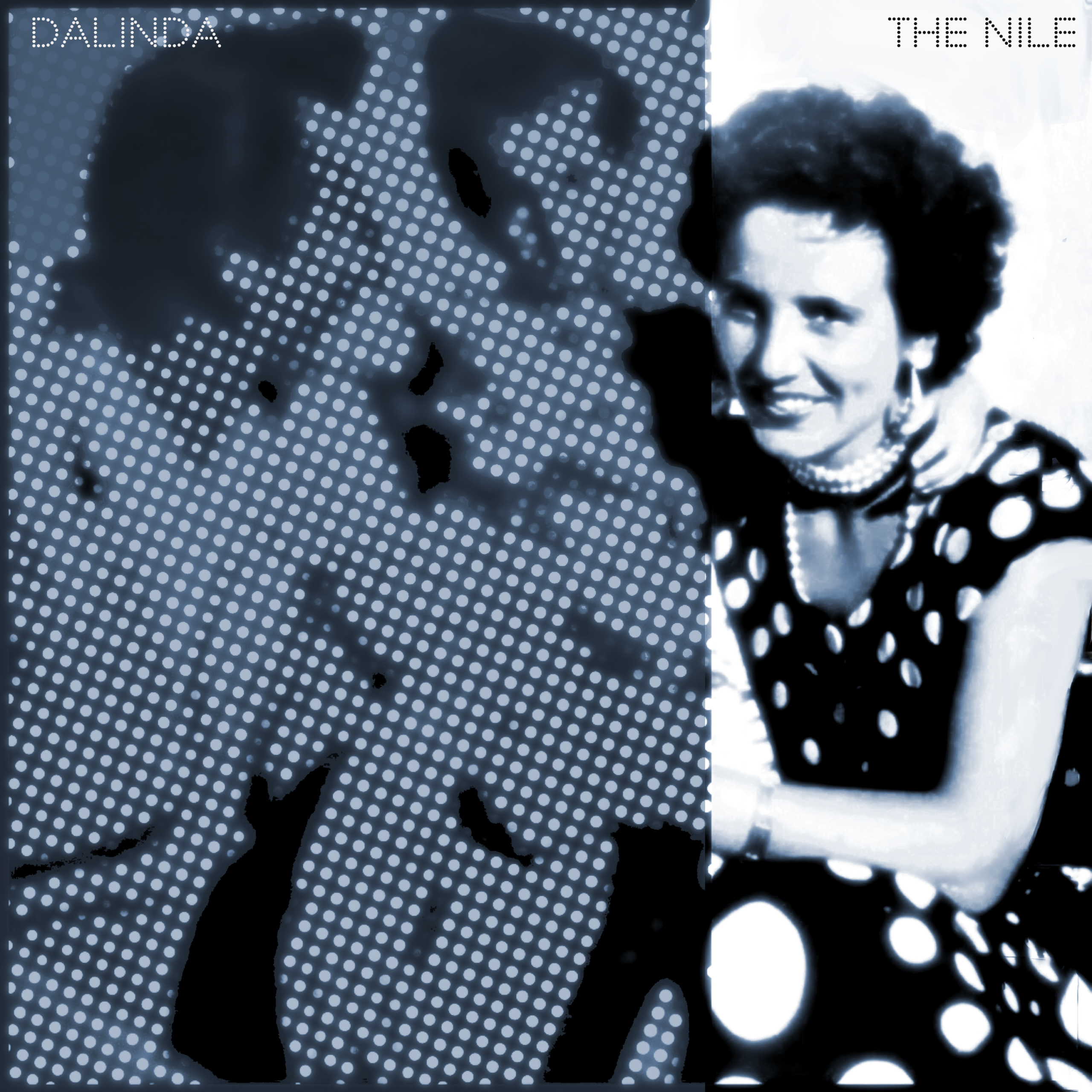
Some songs are impressive in their technical brilliance, and some quietly find their way to the listener’s heart in their sheer emotional honesty. Dalinda’s The Nile is definitely one of the latter. This is a new artistic direction for the singer-songwriter, but it also feels like the end of a journey decades in the making. Dalinda’s first song ever written, “The Nile,” was written in Tripoli and was inspired by the deep sadness she saw in her mother following the death of her father. The song was a young heart, at the time, attempting to put in words an emotion so much bigger than itself. Life took Dalinda from Libya to the United Kingdom, and years later the track has been lovingly reimagined with producer Pete Murray, finally finding the sonic identity it always deserved. Recorded entirely with live instruments at Soundray Studios, in the spirit of an intimate indie aesthetic, but still subtly keeping echoes of Dalinda’s multicultural musical heritage, without digital samples. The end result is a remarkably honest document that sounds timeless rather than nostalgic, proving that some songs are just waiting for the right season of life to reveal their fullest emotional truth.
From the first notes, “The Nile” displays remarkable restraint. It’s so patient, so unhurried, the arrangement. It allows every instrument to breathe its own way. No need to batter listeners with dramatic orchestration or huge production. Dalinda’s voice, shrouded in live guitars, subtle percussion, and warm acoustic textures with a quiet grace, makes for a natural sound that seems rarer and rarer these days. Pete Murray’s production knows that silence can be as eloquent as sound, and leaves plenty of breathing space for emotion to gather itself before the next musical phrase comes in. The arrangement moves almost imperceptibly, adding subtle layers that deepen the emotional landscape without ever disturbing the fragile intimacy. A sweeping bridge briefly relinks the listener to the wider world music influences that have long defined Dalinda’s artistic identity, never as a retreat into familiar territory. Instead, it’s an elegant nod to the many cultures that continue to inform her musical language, while setting this new indie direction as a confident and natural evolution.
No doubt Dalinda’s voice is the emotional heart of the song. The voice is remarkable for tenderness, for the power of feeling with the utmost restraint, never resorting to the theatrical display or the superfluous ornamentation of the voice. But instead the singer can show a quiet confidence knowing that sometimes vulnerability is best expressed in a soft voice. The words themselves testify to a wish to keep alive someone whose absence has changed the shape of an entire world. Lines like “And I want to bring back time, want to turn the tide, want to keep you here” express grief with heartbreaking simplicity, and the devastating image “The Nile will stop its flow, the stars will never glow” elevates personal loss to something almost mythic in scale. But the performance is so moving because the emotion is so much more than the words. Dalinda told us how her mother, who does not speak English, cried when she first heard the finished recording. Perhaps that one story explains the song better than any technical analysis. The truth of Dalinda’s voice is a truth beyond literal meaning; it comes to the listener through feeling, not through words. It’s a rare reminder of how much music often has to say where words fail.
Lyrically, The Nile has an impressive confidence in understatement. Dalinda’s imagery is used judiciously—it is allowed to organically bloom, without obvious hooks or repeated emotional statements. The listener is pulled into the emotional space, not just observing from the outside. The desire to rewind, to capture memories and hold on to someone fading, is something that resonates on many levels, be it romantic longing, family grief, or the universal fear of irreversible change. And the title itself is quite symbolic. The Nile, however, is one of the greatest rivers in history and becomes a metaphor for the flow of life, and losing a loved one feels powerful enough to stop even the most eternal of nature’s flow. Yet for all its deeply personal origins, the song is never inaccessible. Instead, its emotional fragility allows the listener to insert their own stories of love and loss into its fragile structure. There is a great bravery in this kind of songwriting. Dalinda does not tell the audience what to think; she simply creates enough emotional space for each listener to reach their own understanding. That restraint is one of the song’s greatest strengths, rewarding patience with an ever more profound emotional connection with each subsequent listen.
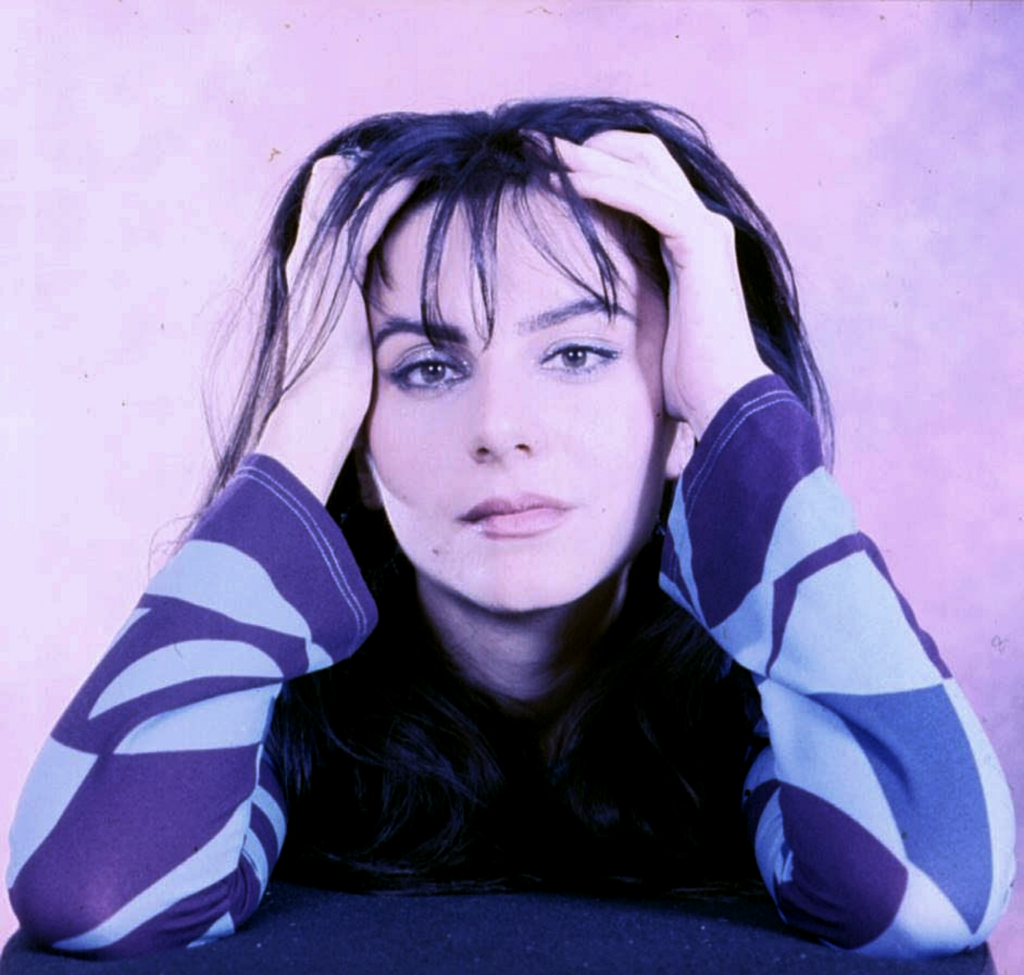
“The Nile” is, after all, one of the most powerful episodes in Dalinda’s artistic evolution. With a multicultural background and having worked with the late Hossam Ramzy before, she has already made her mark through music and now claims a more intimate creative voice without losing the richness of her roots. The transition to indie music seems very natural, not because it’s trendy but because it allows the emotional core of the song to fully open. Every element of the song—from the use of only live instrumentation to the subtle production to the sincere vocal delivery—is in service of the song’s incredible honesty. In an age when the modern recording is so often digitally perfected to the point of being sterile, “The Nile” is refreshingly human, full of imperfection and vulnerability and true human performance. It’s a song that takes its time to impress, unfolding slowly with grace, patience, and emotional wisdom. “The Nile” is a beautiful recording and an intimate meditation on memory, love, and the continuing presence of those we never stop carrying inside us. Dalinda has transformed one of her early compositions into one of her greatest artistic statements, proving that sometimes the songs we write in our youth take a lifetime to grow up with us before they’re ready to be heard.
For more information, follow DALINDA
WEBSITE – SPOTIFY – YOUTUBE – INSTAGRAM