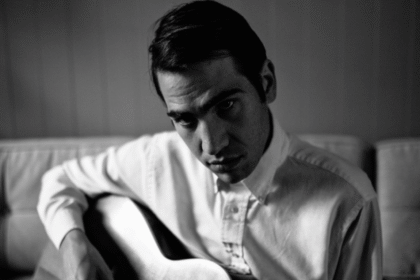


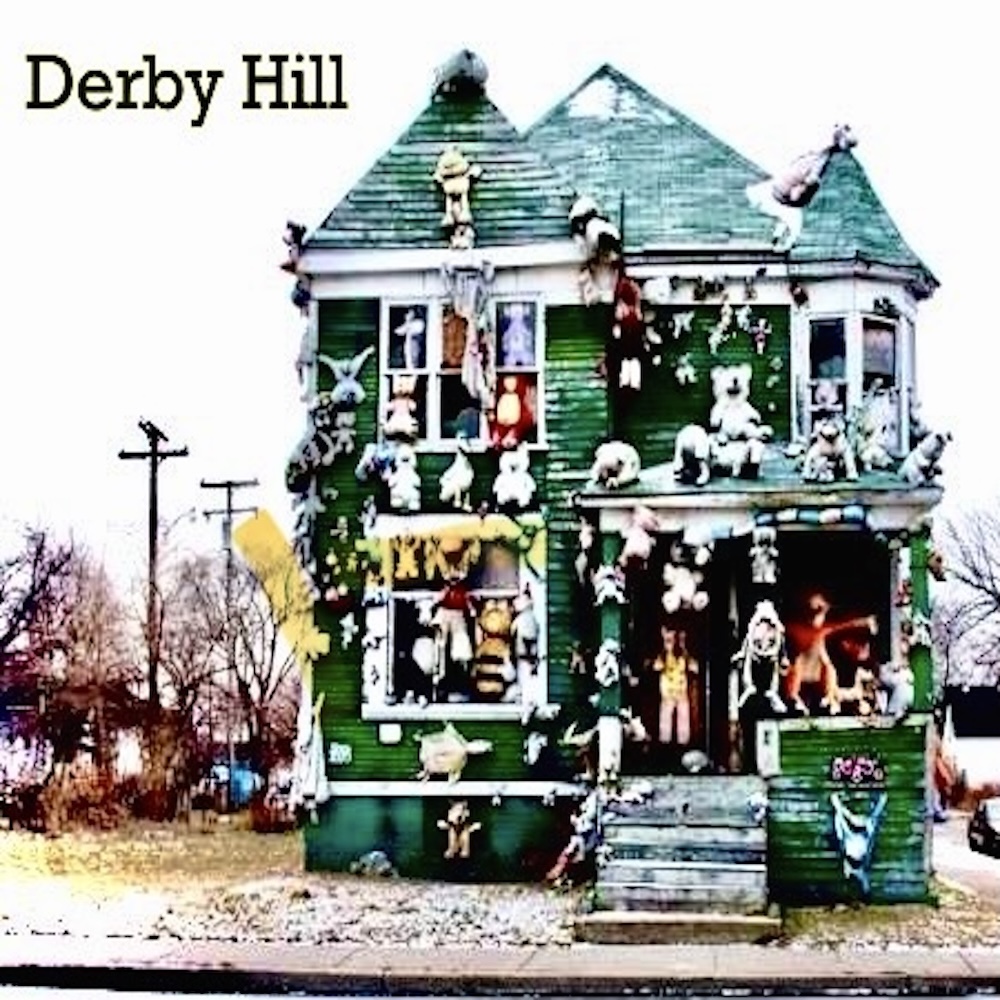
“Derby Hill”, the self-titled EP by Detroit singer-songwriter Derby Hill, feels like a front porch confession whispered into a Midwestern night — quiet, honest, weathered, and deeply human. Released on January 27, 2026, the project doesn’t arrive wrapped in trend or polish, but arrives carrying stories. Real ones. The kind shaped by blue-collar neighbourhoods, back porch swings, and kitchen-table conversations that stretch late into the night. From the opening moments, it’s clear this is music chasing truth. Influenced by figures like Steve Earle, Leonard Cohen, John Prine, and Warren Zevon, Derby Hill positions himself within a lineage of American storytellers who believe songs should hold weight, not just sound. His writing doesn’t posture, perform, or posture as cleverness — it listens, remembers, and reflects. The EP becomes less a collection of tracks and more a small-town archive of memory, struggle, and quiet endurance.
The recording environment itself becomes part of the EP’s identity. Captured in Chicago basements and hall closets, the sound carries a raw intimacy that no high-end studio could replicate. You can feel the closeness of the walls in the mix — the proximity of voice, guitar, and breath. The arrangements are rich and cinematic, but never glossy. They feel lived-in, worn, and warm, like furniture that’s been in a family home for decades. There’s a tactile quality to the production — wood, dust, air, silence — that reinforces the emotional realism of the songs. This is not aestheticised grit, but honest atmosphere. The unvarnished nature of the recording becomes part of the storytelling, reminding the listener that these songs weren’t engineered — they were gathered, preserved, and shared.
Thematically, the EP revolves around survival in its most human form — not survival as heroism, but survival as persistence. These are songs of families trying to make it through the day, of love strained by loss, of people stepping forward even when they don’t believe they can. Derby Hill writes about reconciliation and redemption without sentimentality, never offering easy resolutions or moral conclusions. Instead, he gives us moments — fragments of life — and trusts the listener to feel their meaning. There’s whiskey-bottle wisdom in these lyrics, but there’s also tenderness. A profound belief in the ridiculous, uneconomic power of unconditional love — love that doesn’t make sense, doesn’t profit, and doesn’t protect, but persists anyway. This philosophy of Neosincerity defines the EP: not irony, not detachment, not performance — just presence.
Each track contributes to this emotional architecture. “Restless and Forgiven” feels like a quiet confession, balancing guilt and grace in the same breath. “Red Honey Wine” carries a bittersweet warmth, blending nostalgia with longing, sweetness with ache. “Come Back Home” functions as a plea and prayer — a song about distance, memory, and the fragile hope of return. “Anything’s Possible” offers a rare, fragile optimism, not as belief, but as resistance against despair. And “In a Matter of Moments” closes the EP with a reminder of how quickly everything can change — how life can fracture or heal in the smallest windows of time. These aren’t songs built around hooks, but built around truth. Their power comes from emotional recognition rather than sonic spectacle.
Derby Hill’s voice is central to the EP’s emotional gravity. There’s grain in it, wear in it, and lived experience in its tone. He sings like someone who has listened more than he’s spoken, observed more than he’s judged. His delivery feels conversational, intimate, and grounded — like someone telling you a story across a table rather than performing on a stage. This vocal presence reinforces the EP’s sense of connection. You don’t feel like a listener, but feel like a witness and like someone being trusted with something personal, and that trust becomes the emotional contract of the project.
Influences like Richard Buckner, Hunter S. Thompson, Richard Pryor, John Lennon, and even “Uncle Homer” aren’t present as imitation — they exist as spirit, not sound. What Derby Hill inherits from them is not style, but courage: the courage to be vulnerable, to be sincere, to resist irony, and to value meaning over modernity. This EP does not try to be clever, postmodern, or ironic, but chooses sincerity in a cultural landscape that often treats sincerity as weakness. That choice alone makes it radical. In a world of curated identities and algorithmic art, “Derby Hill” feels human — flawed, fragile, and profoundly real.
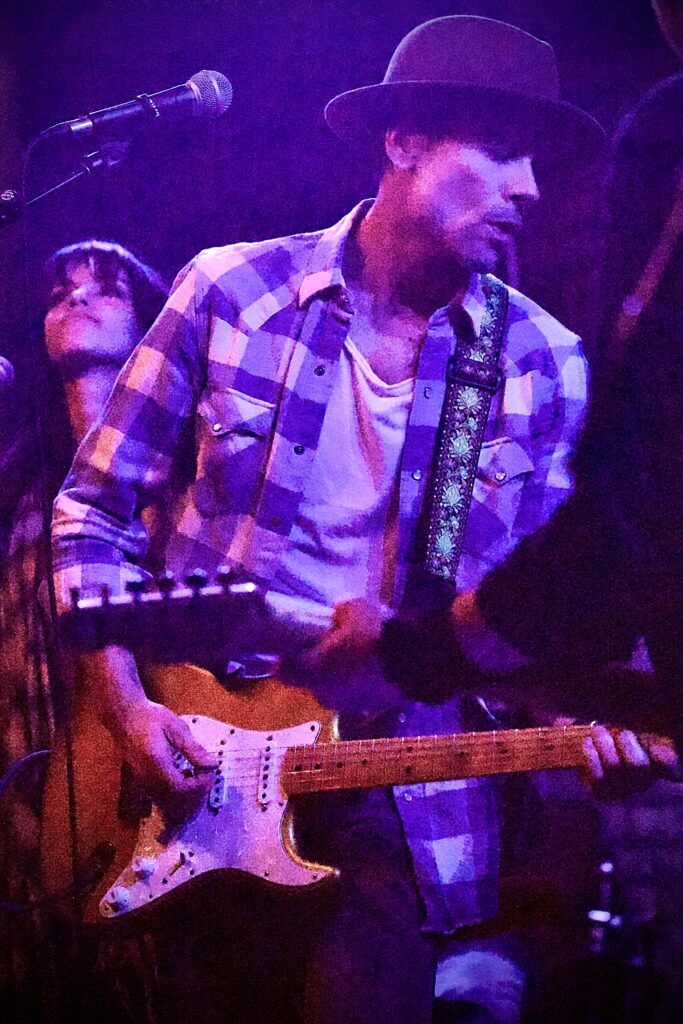
Ultimately, “Derby Hill” is a small act of cultural preservation. It preserves stories, voices, neighbourhoods, and emotional truths that are often erased by speed and spectacle. It reminds us that resilience doesn’t always look like strength, but sometimes looks like getting up, making coffee, and trying again. It reminds us that love doesn’t always save — but it always matters. In its unvarnished heart, cinematic arrangements, and sincere storytelling, the EP offers something increasingly rare: connection without performance, depth without pretension, and beauty without polish. Derby Hill makes space for memory, grief, hope, and survival. And in doing so, he makes the world feel a little less lonely — which may be the most radical act of all.
For more information, follow Derby Hill:
SPOTIFY